[.green-span]What tools offer borrower health data? A lender's guide[.green-span]
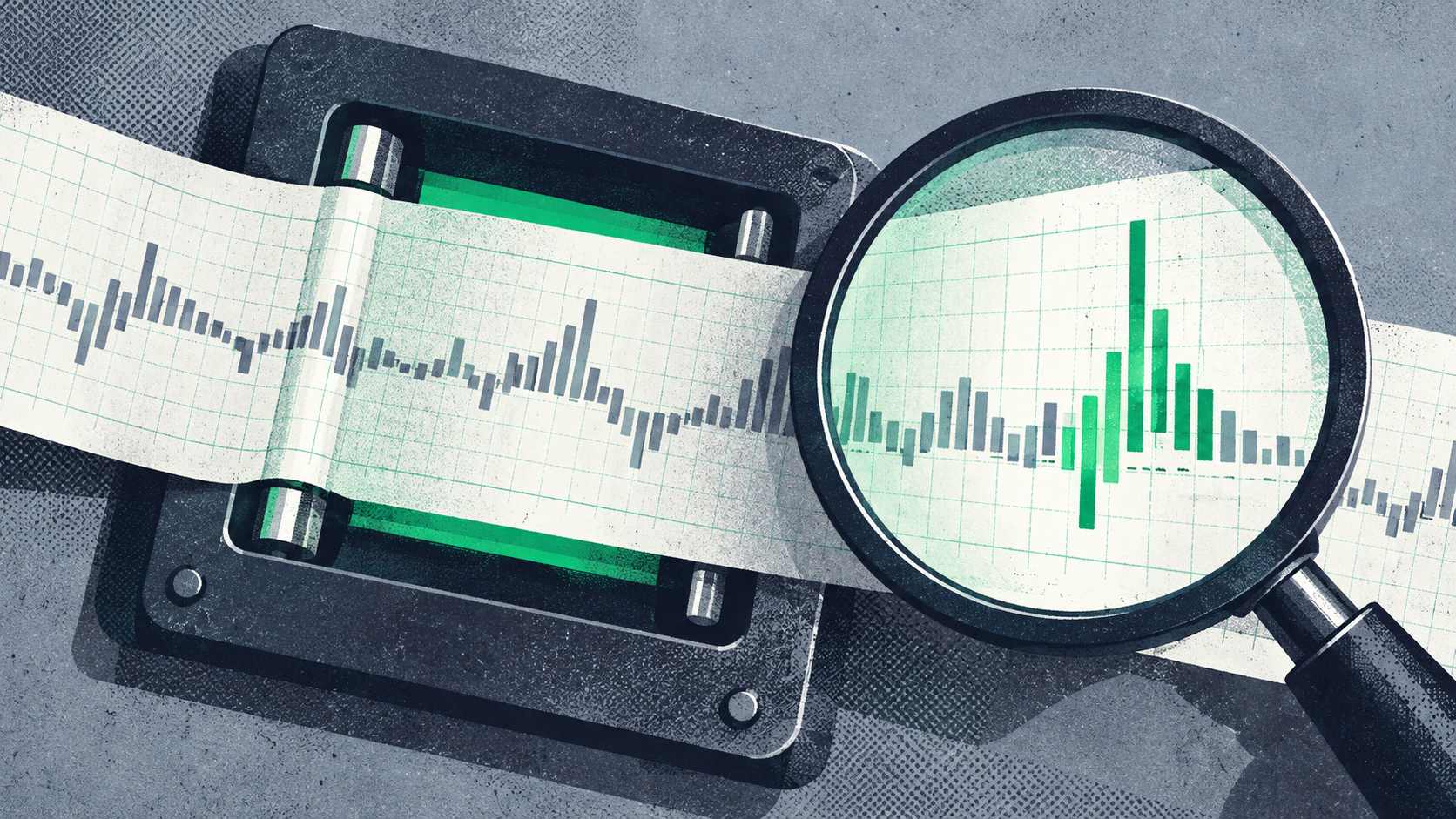
Credit scores tell you how a borrower behaved in the past. They do not tell you what is happening right now. Borrower health data tools close that gap.
These tools pull real-time financial signals like cash flow, bank transactions, and repayment activity. That lets lenders assess risk before, during, and after a loan. This guide explains what borrower health data tools do, why they matter today, the main categories to know, and how to choose the right ones.
What borrower health data tools are
Borrower health data tools are software platforms that collect and analyze real-time financial signals to measure whether a borrower can repay a loan. They look past the credit score by adding cash flow, bank transaction, revenue, and cross-lender repayment data.
The term "borrower health data" refers to the financial, behavioral, and operational signals that show repayment ability right now. Fintech providers use it to describe a live picture of a borrower, not a snapshot of past behavior.
A credit score updates on a lag. Borrower health data updates as money moves. Together they give lenders a fuller, current view through a single data and decisioning engine.
Why lenders need borrower health data now
Borrower finances are under pressure, and the strain is uneven. That makes a single credit-score cutoff a blunt tool for pricing risk.
According to the Federal Reserve Bank of New York, rising U.S. household debt grew by $191 billion in Q4 2025, reaching $18.8 trillion. As debt loads rise, small changes in a borrower's cash flow can decide whether a loan performs.
Borrower health is also splitting in two directions at once. TransUnion data on diverging borrower credit health shows the super prime population grew by 15 million consumers between Q4 2019 and Q4 2025.
Real-time signals help lenders spot that stress early. They also help lenders approve good borrowers that a score alone would miss.
Traditional credit scores vs. modern borrower health data
Traditional scoring and modern borrower health data answer different questions. One looks back at credit history; the other tracks current ability to repay.
A data-powered credit underwriting approach blends both. Lenders keep the bureau baseline while adding live signals, so modern tools complement the score rather than replace it.
The table below shows how the two data types compare.
The main types of borrower health data tools
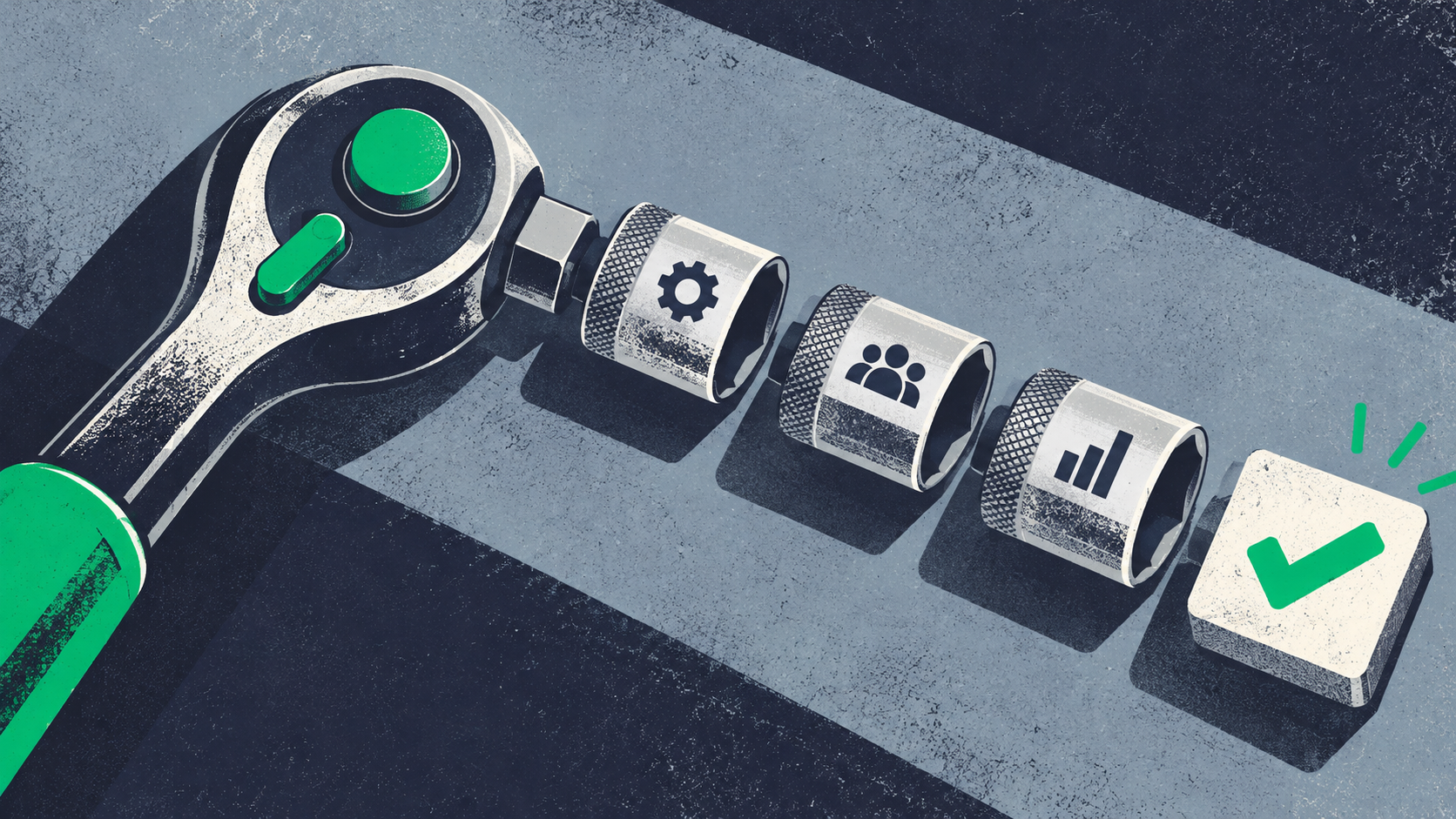
Borrower health data tools fall into a few clear categories. Most lenders combine several to cover the full loan lifecycle.
Each category answers a different question, from "can this borrower repay" to "is this borrower still healthy." Here are the main types.
Cash flow analysis tools
Cash flow analysis tools read bank transaction data to show money moving in and out of an account. This reveals income patterns, spending, and slim cushions that a score cannot see.
Lenders and fintech providers say transaction data can flag warning signs before they reach a credit report. Pulling this from bank feeds is a form of financial data aggregation that turns raw statements into usable risk signals.
Open banking and bank account data tools
Open banking lets borrowers securely share bank account data with a lender through a connection they approve. This permissioned data supports asset, income, and employment verification.
Lenders use it for cash flow scoring and faster, more inclusive decisions. It is especially useful for thin-file borrowers who lack a long credit history.
Alternative data and credit risk tools
Alternative data adds sources like rent, utility, telecom, and accounting records. It helps lenders assess credit-invisible borrowers and sharpen accuracy.
A strong SMB underwriting data strategy uses this data to evaluate businesses that traditional credit files overlook. Fair lending is a real concern here.
A 2021 U.S. Government Accountability Office study on alternative data in lending found 13 of 16 interviewed lenders flagged fair lending risks. Teams should test these models for bias and document how signals drive decisions.
Post-origination monitoring tools
Post-origination monitoring tools track borrowers after closing, not just at application. They watch for missed payments, falling balances, and new debt taken on elsewhere.
This matters as repayment risk climbs. The Mortgage Bankers Association reported the mortgage delinquency rate rose to a seasonally adjusted 4.26% at the end of Q4 2025.
Monitoring paired with predictive analytics for lenders can surface risk signals before they turn into defaults.
Fraud and identity signals
Fraud tools check whether a borrower is who they claim to be and whether the data adds up. They flag synthetic identities, altered documents, and mismatched account details.
Device and behavioral signals add another layer of verification. Clean fraud checks keep the rest of the borrower health picture trustworthy.
The ownable gap: ecosystem-level borrower intelligence
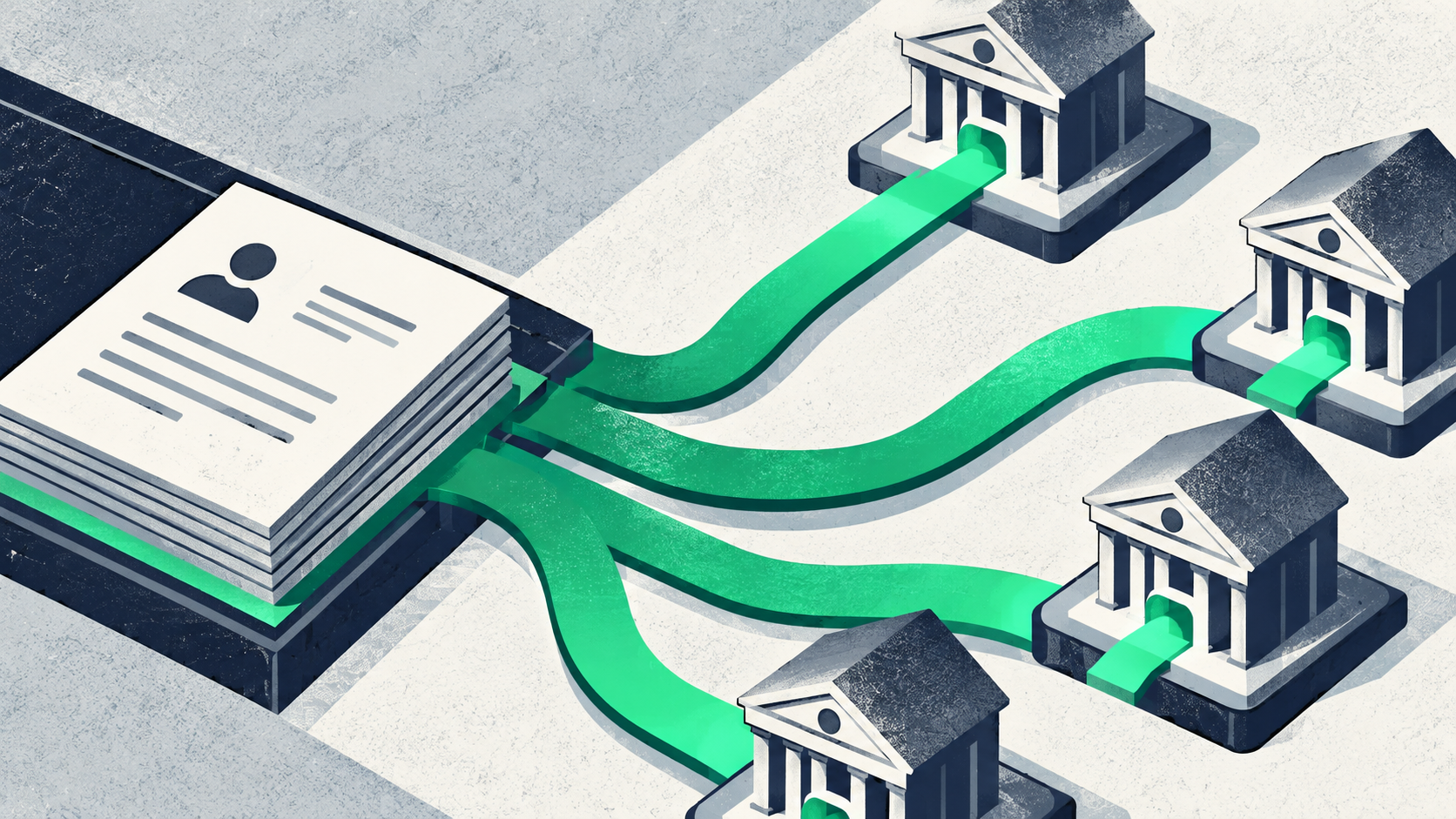
Most tools show a lender only its own portfolio. Lendflow adds ecosystem-level visibility across lenders, financing products, and embedded finance platforms.
Its SMB Intelligence offering captures patterns across the full financing lifecycle, from application and underwriting through funding and repayment. That includes borrower health, approval trends, financing stacking, repayment performance, and shifting lender appetite in real time.
Lendflow turns this activity into benchmarking and underwriting insights rather than acting as a raw data provider. Signals flow into credit underwriting and decisioning through one connected pipeline: Lendflow Connect for data, Lendflow Intelligence for decisions, and Lendflow Automate for execution.
These figures are Lendflow's own self-reported results. Lendflow reports that Intelligence customers see 35% lower operating costs, a 60% lift in application conversion, and 85% faster time-to-decision. On Lendflow Connect, Lendflow reports more than 12,000 small businesses funded and over $1.5 billion in offers made.
How to choose the right borrower health data tools
Start with the decision you need to make, then pick tools that feed it. The goal is a connected pipeline, not a stack of point solutions.
Use these criteria to compare options.
- Data coverage: Confirm the tool reaches the bank, accounting, and repayment sources your borrowers actually use.
- Real-time signals: Favor tools that update continuously so you can act before a score changes.
- Ongoing analytics: Use AI-powered lending analytics to track funnel and risk trends, not just point-in-time scores.
- Integration speed: Check for ready connectors and APIs so you avoid long build cycles.
- Explainability: Require clear reasons behind each risk output so you can defend and audit decisions.
Conclusion and key takeaway
Borrower health data tools give lenders a current, complete view of repayment ability that a credit score cannot provide on its own. They matter more as debt rises and borrower health diverges across segments.
The strongest results come from connecting data, decisioning, and monitoring in one pipeline instead of stitching together point tools. Start with the decisions you need, then add the signals that make them faster and safer. Learn More
Frequently asked questions
What are the 5 C's of lending?
The 5 C's are character, capacity, capital, collateral, and conditions. They are the traditional factors lenders weigh to judge whether a borrower can and will repay.
What tools help lenders see a borrower's full financial picture?
Cash flow analysis, open banking, and alternative data tools combine bank transactions, income, and repayment signals into one view. Together they show far more than a credit score alone.
How do alternative data tools improve lending decisions?
They add sources like bank, accounting, and utility data so lenders can assess thin-file borrowers. This helps approve creditworthy applicants who lack a long credit history.
How does post-origination monitoring reduce default risk?
Monitoring tracks payments, balances, and new debt after closing so lenders spot trouble early. That early warning gives teams time to act before a loan defaults.
Loan origination system vs. loan management system
A loan origination system handles application, underwriting, and funding of a new loan. A loan management system services the loan afterward, tracking payments, balances, and statements. ents, balances, and statements.