[.green-span]How to Build a Stronger SMB Underwriting Data Strategy in 2026[.green-span]
What Is SMB Underwriting Data
SMB underwriting data is the information lenders use to decide whether a small or medium-sized business can repay a loan. Unlike consumer lending, where a FICO score often drives the decision,SMB underwriting data is the information lenders use to decide whether a small or medium-sized business can repay a loan. According to the Federal Reserve Bank of Kansas City, 71% of small business loan denials cite borrower financials as the primary reason, which is why SMB underwriting pulls from a mix of business financials, personal credit histories, and real-time cash flow analysis. There's no single commercial equivalent to a consumer credit score, so lenders build custom models around the 5 Cs of Credit: Character, Capacity, Capital, Conditions, and Collateral.
In practice, this data comes from bank transactions, tax returns, identity verification, bureau reports, and alternative signals like payment processor activity. The goal is to assemble a complete picture of whether a business can handle debt.
Why SMB Lenders Need a Stronger Underwriting Data Strategy
Many small businesses don't have the deep credit history that makes consumer lending relatively predictable. A business might be profitable and growing, yet still look risky on paper because it hasn't built trade lines or filed years of tax returns.
Without a deliberate approach to data, lenders face a few recurring problems:
- Thin credit files: Many SMBs lack traditional credit history, so lenders can't rely on bureau data alone
- Fragmented sources: Data sits in disconnected systems, which means manual reconciliation and slower decisions
- Manual bottlenecks: Document handling and data entry eat up underwriter time and introduce errors
- Competitive pressure: Borrowers expect fast answers, and lenders who can't deliver lose deals
A clear data strategy becomes the foundation for faster, more accurate credit decisions. It's also what allows lenders to scale volume without scaling headcount.
Core Data Sources That Power SMB Underwriting
Each data category reveals something different about a business's ability to repay. Think of these as the raw materials that feed underwriting decisions.
Bank Transaction and Cash Flow Data
Real-time bank data shows revenue patterns, cash reserves, and spending behavior in ways that static financial statements can't. Open banking connections and daily transaction feeds give lenders a dynamic view of liquidity. This is often the most useful signal for businesses with limited credit history.
Business Credit and Bureau Data
Traditional bureau data from providers like Dun & Bradstreet and Experian Business captures payment history with suppliers and creditors. For established businesses with existing trade lines, this remains a valuable input.
KYB and Identity Verification Data
KYB stands for Know Your Business. KYB verification confirms that a business is legitimate, identifies its ownership structure, and flags potential fraud. This step protects lenders from lending to shell companies or misrepresented entities.
Tax Returns and Accounting Data
Tax filings and accounting software integrations validate revenue claims. When a business connects its QuickBooks or provides tax returns, lenders can verify that reported income matches actual earnings.
Alternative and Ecosystem Data
Non-traditional signals fill gaps for thin-file SMBs. Payment processor data, app usage patterns, shipping records, and industry benchmarks can all reveal creditworthiness when traditional data falls short.
Key Challenges in SMB Underwriting Data
Even with access to the right data sources, lenders run into obstacles that slow decisions and increase risk.
Fragmented Data Across Sources
Data lives in silos. Bureau data sits in one system, bank data in another, documents in a third. Pulling everything together manually takes time and creates opportunities for errors.
Manual Document Review and Data Entry
Extracting data from PDFs, tax returns, and bank statements by hand is slow and expensive. For many lenders, this is the single biggest bottleneck in underwriting.
Stacking and Fraud Blind Spots
Stacking happens when borrowers hold multiple undisclosed loans across different lenders. If you only see activity within your own portfolio, you miss this risk entirely. The same applies to fraud signals that only become visible when you compare data across lenders.
Late Risk Detection in the Portfolio
Without proactive monitoring, lenders often discover problems only after defaults occur. By then, the damage is done and recovery options are limited.
How AI and Automation Transform SMB Underwriting Data
AI agents and automated workflows address the challenges above directly. Document extraction, industry classification, risk scoring, and borrower communications can all run without manual intervention.
Here's what that looks like in practice:
- Document extraction: AI pulls structured data from PDFs, tax returns, and bank files automatically
- Industry classification: Automatic NAICS/SIC coding removes manual lookup
- Risk scoring: Explainable composite scores flag exceptions with supporting evidence
- Borrower communications: Voice AI and chatbots handle follow-ups and document requests
Platforms like Lendflow use specialized agents to automate discrete tasks across the lending lifecycle. The Doc Analyzer extracts data from documents. The Industry Map Agent classifies businesses. The Trust Score Agent generates explainable risk scores. Together, these tools compress what used to take days into minutes.
Components of a Modern SMB Underwriting Data Stack
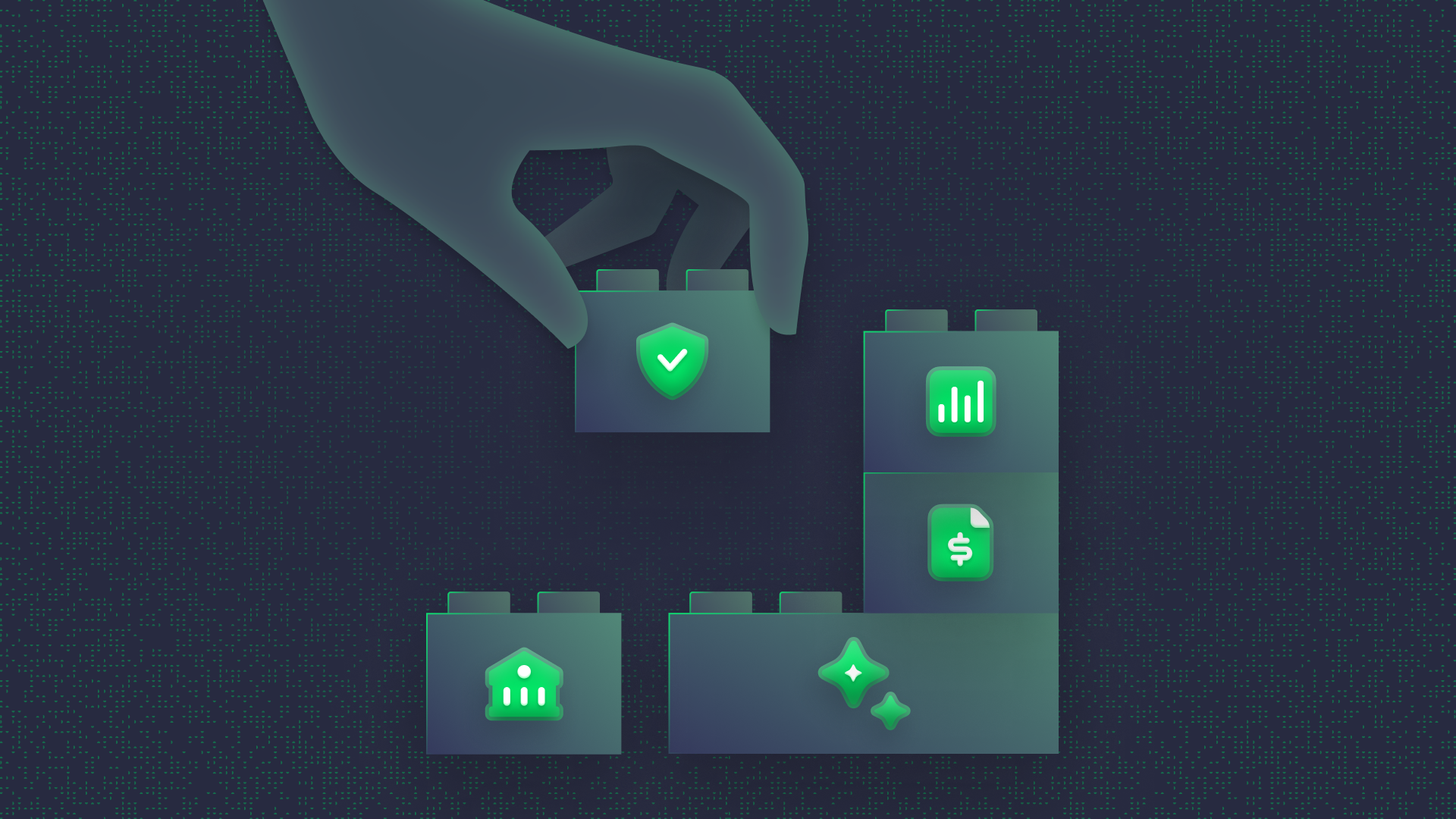
Building a strong data strategy means assembling the right infrastructure. Here's what that stack typically includes.
Data Aggregation and Enrichment
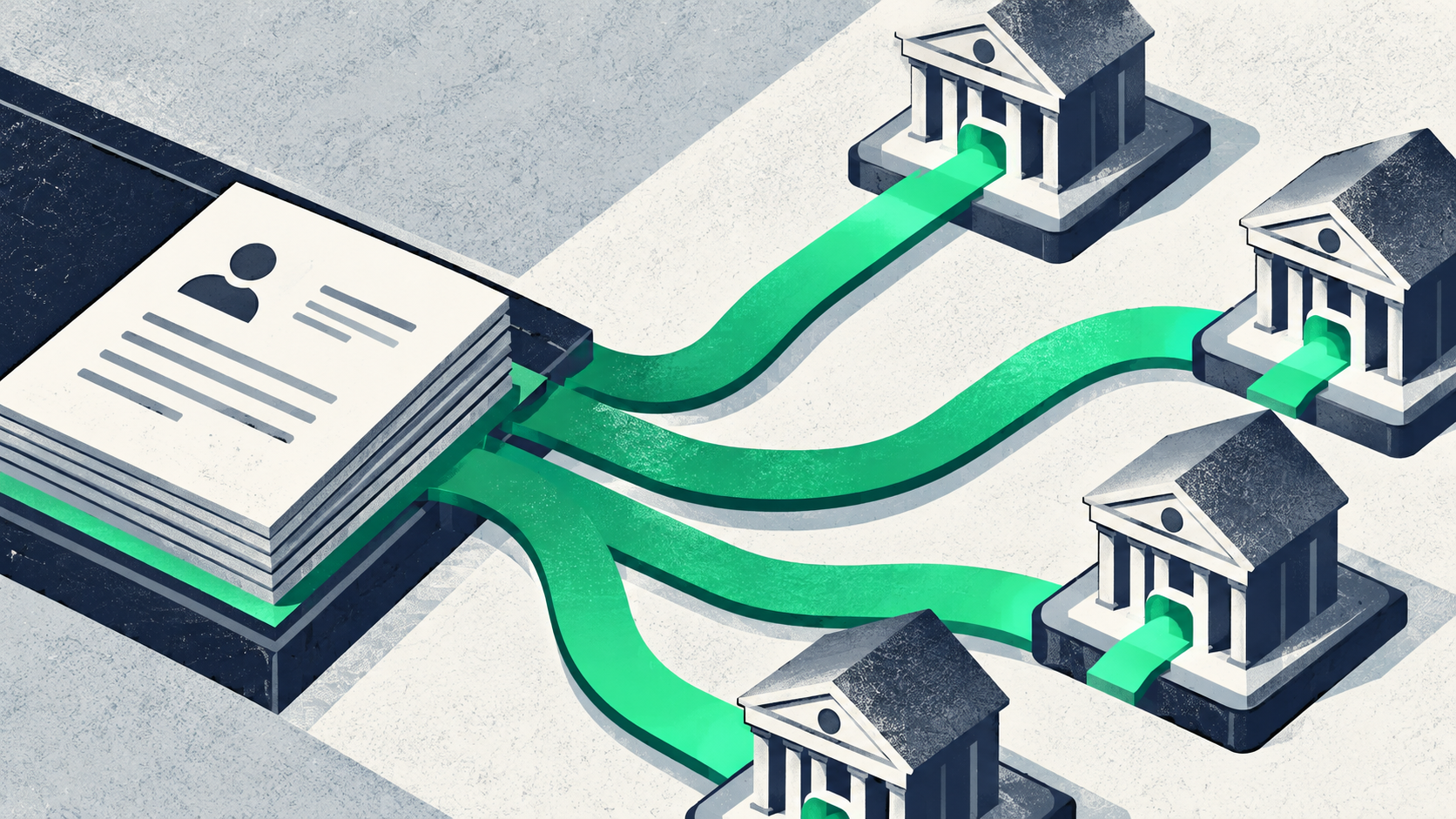
Aggregation layers pull data from multiple sources into a unified view. Instead of managing dozens of separate integrations, lenders connect once and access bank data, bureau data, and KYB verification through a single endpoint.
Document Analysis and Data Extraction
Tools that convert unstructured documents into structured, decision-ready data eliminate manual entry. A bank statement PDF becomes a clean data feed. A tax return becomes validated revenue figures.
Decisioning Engine and Risk Models
A decisioning engine applies configurable rules and models to automate approve, decline, and review logic. This creates consistency across underwriters and reduces reliance on individual judgment.
Workflow Automation and AI Agents
Event-triggered agents orchestrate handoffs, communications, and exceptions across the pipeline. When a document is missing, the system sends a reminder. When a status changes, the next step kicks off automatically.
Steps to Build a Stronger SMB Underwriting Data Strategy
Here's a practical sequence for moving from current state to optimized operations.
1. Audit Current Data Sources and Coverage Gaps
Start by inventorying existing data inputs. Where do thin-file SMBs fall through? Which data sources are missing or underutilized? This audit reveals where to focus first.
2. Unify Aggregation Across Bank, Bureau, and KYB
Consolidate data pulls through a single integration layer. Lendflow's Data Orchestration, for example, connects with top integration partners in minutes. Skip fragmented integrations—use a unified layer to access everything in one place.
3. Automate Document and Data Extraction
Replace manual document review with AI-powered extraction tools. This alone can cut processing time dramatically and free underwriters to focus on exceptions rather than data entry.
4. Configure Explainable Decisioning Models
Transparent, auditable credit models support compliance and consistency. Look for systems that show why a decision was made, not just what the decision was. This matters for both internal quality control and regulatory requirements.
5. Embed Real-Time Monitoring and Ecosystem Signals
Add live credit signals and cross-lender visibility to catch stacking and portfolio deterioration early. Ecosystem-level intelligence surfaces patterns that single-portfolio views miss.
Measurable Outcomes of a Data-Driven SMB Underwriting Strategy
Investing in data infrastructure pays off in concrete ways. Here's what lenders typically see.
Faster Time to Decision and Funding
Automated data flows compress underwriting from days to minutesAutomated data flows compress underwriting from days to minutes—according to V7 Labs, banks using AI underwriting report 50–75% reductions in time-to-decision for commercial loans. Lendflow customers see an average of 42% faster speed to funding with pre-qualified offers hosted on the platform.
Higher Application Conversion
Faster, smoother experiences reduce borrower drop-off. When applicants don't wait days for answers, they're more likely to complete the process and accept offers.
Lower Cost per Booked Loan
Automation reduces manual labor and overhead per funded deal. Lendflow's embedded finance customers operate with 80% smaller teams while converting similar funding volumes.
Stronger Decision Consistency and Audit Readiness
Rules-based decisioning creates repeatable outcomes and clear audit trails. Every decision follows the same logic, which simplifies compliance reviews and internal quality checks.
Managing Risk, Fraud, and Compliance With Underwriting Data
A strong data strategy supports risk management across the portfolio lifecycle. Here's how:
- Fraud indicators: Cross-reference identity, ownership, and behavioral signals to catch misrepresentation early
- Stacking detection: Identify undisclosed obligations across lender networks
- Compliance documentation: Maintain audit trails with explainable decisions
- Portfolio monitoring: Detect early warning signs before defaults
Ecosystem-level visibility makes a difference here. Lendflow's SMB Intelligence aggregates insights across lenders and financing platforms, revealing patterns like stacking behavior and repayment trends that single-lender views cannot detect.
How to Choose an SMB Underwriting Data Partner
When evaluating platforms or vendors, a few criteria matter most:
- Integration breadth: Can the platform connect to your existing CRM, LOS, and data providers?
- Speed to launch: Look for plug-and-play tools like widgets and APIs that deploy in weeks, not months
- Configurability: Ensure you can customize workflows, consent flows, and decisioning rules
- Security and compliance: Confirm SOC 2 certification and data handling standards
- Ecosystem visibility: Prioritize partners with cross-lender intelligence, not just single-source data
Where SMB Underwriting Data Is Headed Next
The next wave of innovation includes deeper alternative data integration, real-time portfolio monitoring, and AI agents that adapt as data flows in. Forward-looking lenders are investing in ecosystem-level intelligence now, gaining visibility into borrower health, approval trends, and financing stacking behavior across the broader market.According to McKinsey, only 12% of North American banks have deployed gen AI in credit decisioning, meaning forward-looking lenders investing in ecosystem-level intelligence now are gaining a significant competitive window.
Strengthen Your SMB Underwriting With Lendflow
Lendflow brings together data orchestration, AI automation, and decisioning in one ecosystem. Lendflow Intelligence powers credit decisions. Lendflow Automate deploys AI agents across the lending lifecycle. Lendflow Connect provides access to 75+ specialty and bank lenders through a single integration.
With $1.5B+ in offers made on the platform and recognition as Best Overall Embedded Finance Platform at the Tearsheet Big Bank Theory Awards 2025, Lendflow helps lenders and brands scale smarter.
Book a demo to see how Lendflow can strengthen your SMB underwriting data strategy.
Frequently Asked Questions About SMB Underwriting Data
How is SMB underwriting different from consumer underwriting?
SMB underwriting evaluates business financials, cash flow, and ownership rather than relying primarily on personal credit scores. Because many small businesses have thin credit files and variable revenue streams, lenders typically pull from broader data inputs to make informed decisions.
What is the difference between SMB underwriting data and a business credit report?
A business credit report is one input among many. SMB underwriting data encompasses bank transactions, tax records, KYB verification, and alternative signals that together paint a fuller picture of creditworthiness.
How long does it take to implement an SMB underwriting data platform?
Implementation timelines vary by complexity. Plug-and-play widgets can launch in under two weeks, while full API integrations typically take 30 to 45 days.
Can alternative data improve credit decisions for thin-file SMB borrowers?
Yes. Alternative data sources like payment processor activity, accounting software, and industry benchmarks help lenders assess businesses that lack traditional credit history.
What is ecosystem-level data in SMB underwriting?
Ecosystem-level data aggregates insights across multiple lenders and financing platforms. This reveals patterns like stacking behavior and repayment trends that single-lender views cannot detect.