[.green-span]SBA 7(a) underwriting automation: what to automate and what to keep[.green-span]

Community bank commitment to SBA lending is slipping, according to the Conference of State Bank Supervisors' CSBS community bank survey. The share of bankers who offer and plan to continue to offer SBA loans declined to 60% from 66%. The survey is a convenience sample of 330 institutions, so read it as a signal of tightening capacity.
That pressure lands on files that already demand more than conventional credit. Every 7(a) package carries tax returns, bank statements, ownership records, and eligibility checks that someone has to collect, read, and verify.
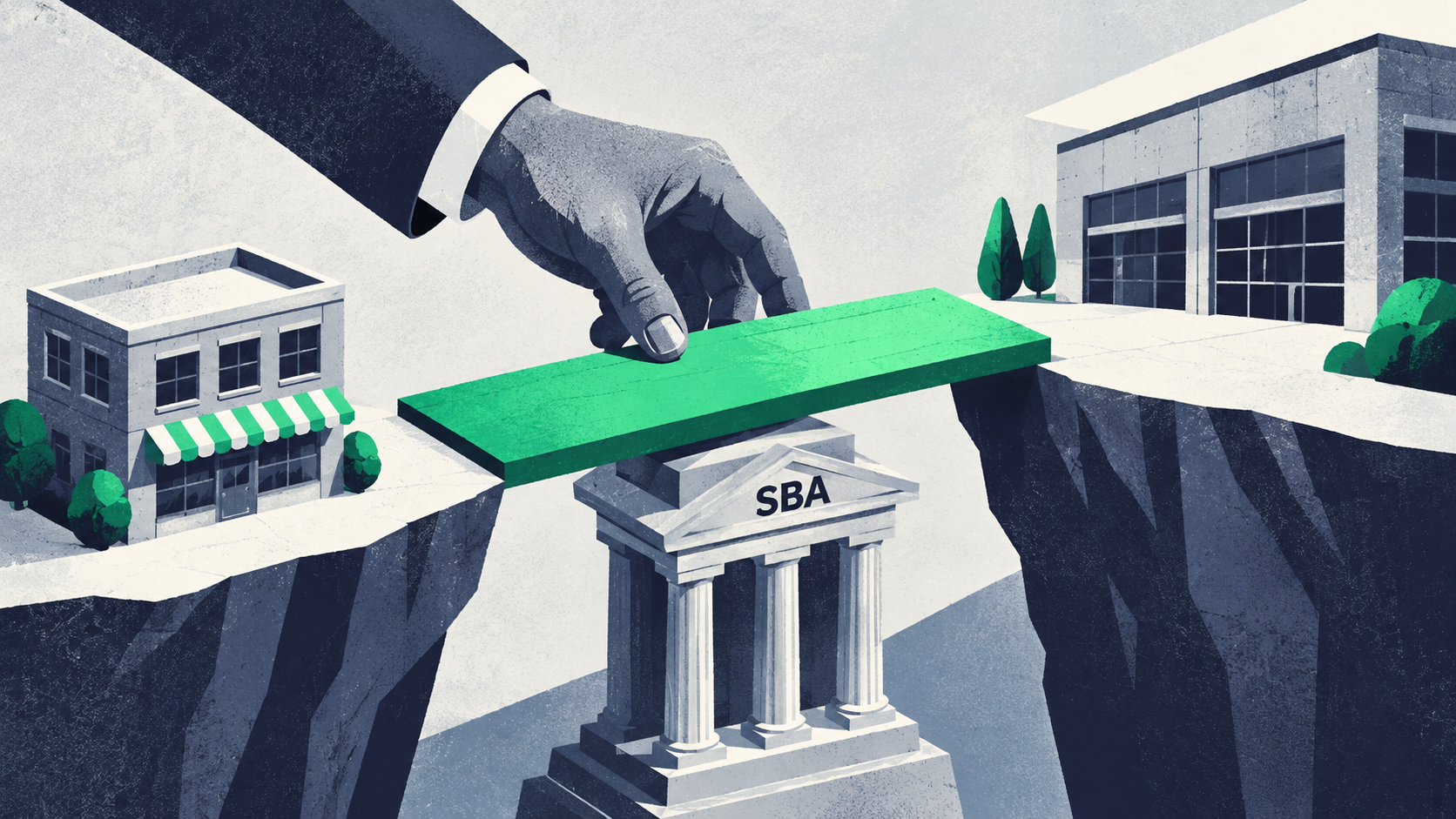
SBA 7(a) underwriting automation helps lenders grow SBA volume without growing overhead. This guide defines the term and maps what to automate and what to keep human. It also lays out a five-step roadmap, explains what SOP 50 10 8.1 means for your rules, and lists questions to ask vendors.
What SBA 7(a) underwriting automation is
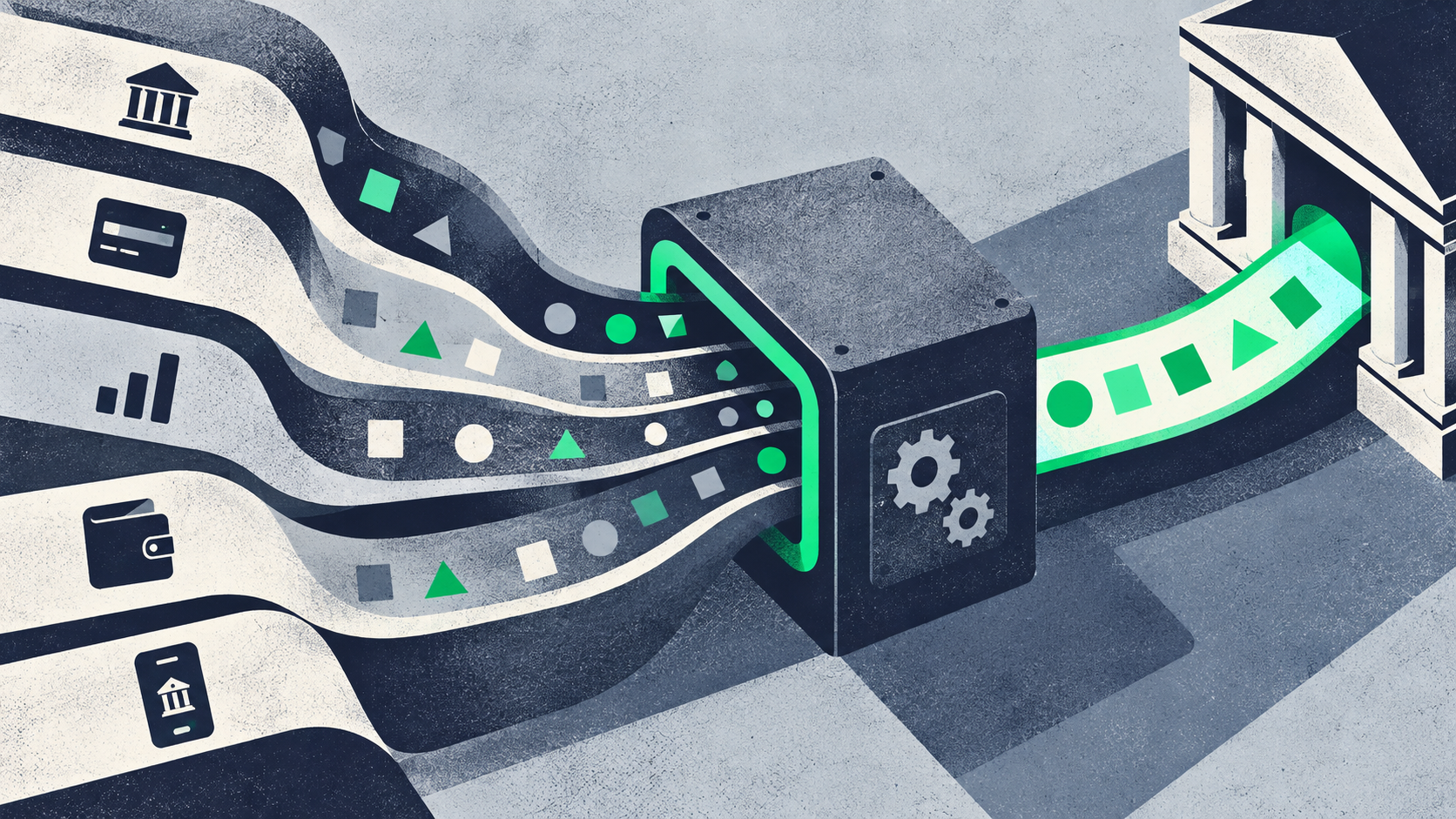
SBA 7(a) underwriting automation uses software, data integrations, and AI to handle the repeatable work in a 7(a) file. That work includes document collection and classification, data extraction, eligibility and size-standard checks, spreading inputs, and memo assembly. The lender keeps the credit decision, and underwriters spend their time on judgment.
Automation is granular and configurable. A lender can switch on one task, such as document classification, and keep every other step manual until the team is ready. For the broader concept behind it, see how automated underwriting works.
SBA credit is also harder to win. Among employer firms that applied for an SBA loan or line of credit, 32% were fully approved (N=359). That was the lowest full-approval rate among products in the Federal Reserve Banks' Federal Reserve Small Business Credit Survey, a convenience sample.
Separate the underwriting layer from the origination layer
SBA lending software splits into two layers. The origination layer is the system of record: intake, SBA forms, E-Tran submission of the guaranty request, closing, and servicing.
The underwriting layer does the analysis. It covers document classification, spreading, global cash flow across affiliates and guarantors, eligibility support, and the credit memo.
E-Tran is SBA's electronic portal for submitting loan guaranty requests. The U.S. Small Business Administration lists it on its SBA E-Tran lender portal page alongside its other lender systems.
Many tools cover one layer well. Most lenders need both, so test the hand-off between them before you sign. Check that borrower, ownership, and loan data move from analysis to the system of record without rekeying.
Lendflow takes an open-architecture approach: an orchestration and data layer that plugs into your existing system of record. Your origination platform stays in place while the data layer handles intake, documents, and enrichment.
What to automate in a 7(a) file and what to keep human
Our rule of thumb is simple. Automate tasks that are rules-based and heavy on documents or data, and keep judgment calls and independent third-party work with people.
The map below reflects Lendflow's view of a typical 7(a) file. It is our analysis and should not be read as SBA guidance. Every row keeps a human in the loop by design.
Turn SBA packages into structured data
Lendflow Doc Analyzer customers have seen up to 95% document identification, 90% classification, and 90% extraction accuracy. Lendflow has tested the model on over 100,000 applications.
SBA packages mix tax returns, bank statements, personal financial statements, and ownership documents. AI document classification and extraction sorts each file and pulls its figures into structured data your analysts can review.
Consistent requests make extraction cleaner. Dynamic Documents in Lendflow Automate standardize requirements, such as multiple months of bank statements, so every borrower gets the same list.
Start eligibility with the right NAICS code
Lendflow Industry Map assigns NAICS codes with over 90% accuracy and reduces manual classification by up to 70%. Lightbox Lending improved its NAICS mappings to 94%, up from 60%.
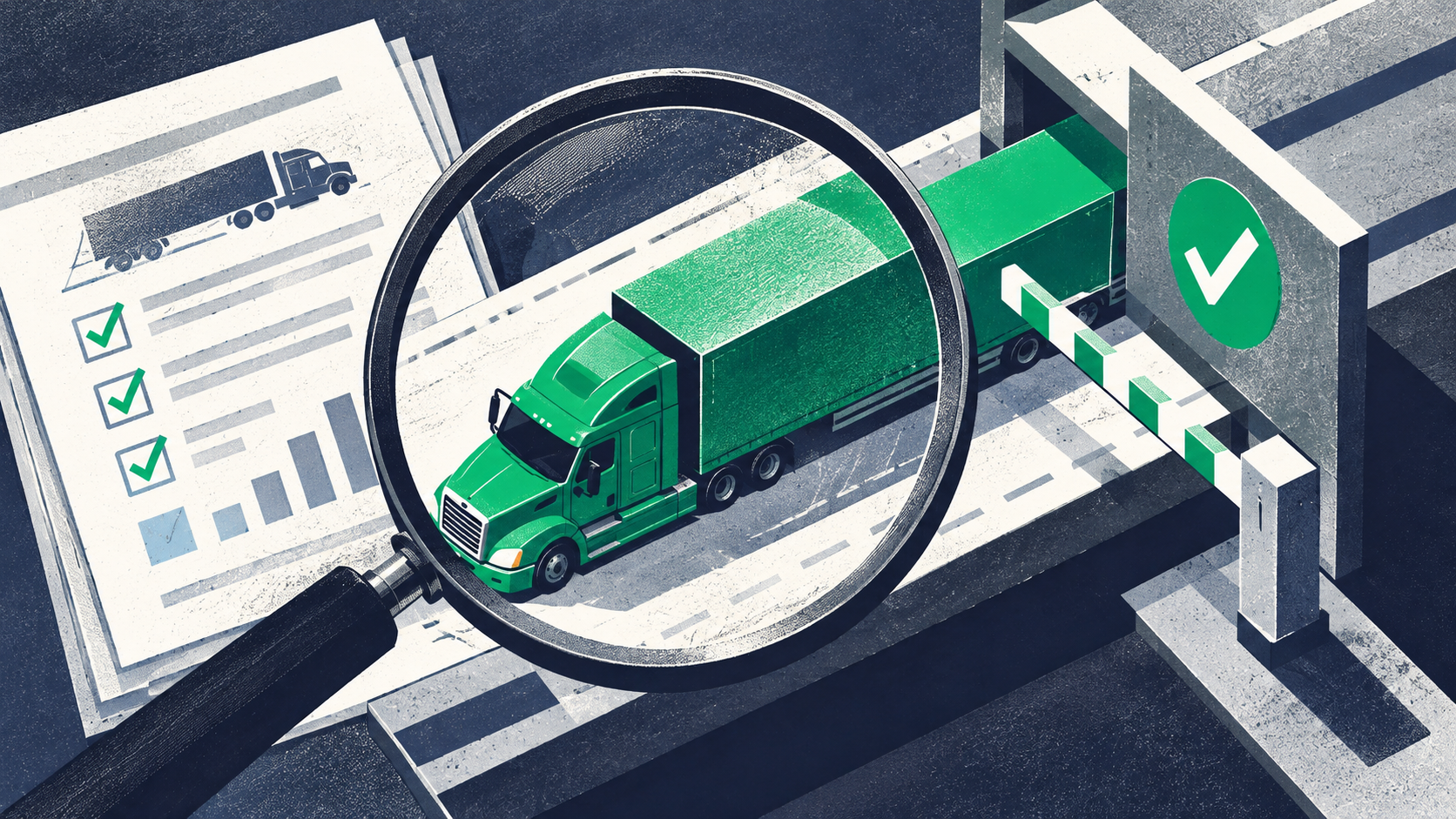
That accuracy matters because size standards are set by industry. The federal eCFR text of 13 CFR 121.101 confirms that SBA size standards by NAICS are established by type of economic activity, generally under NAICS. Standards are expressed in employees or annual receipts, so the right code is the first eligibility input.
Lendflow's automated NAICS code classification removes a manual lookup that slows down every file. Other eligibility rules, such as use of proceeds and credit elsewhere support, run as configured steps in the workflow. The underwriter confirms the result.
Keep the credit decision with your underwriters
Automation can assemble spread inputs, verification signals, and scorecard outputs. The credit analysis conclusion and the approval stay with the lender.
Verified signals make that hand-off work. Lendflow's business trust scoring combines verification, banking, accounting, and reputation signals into one confidence rating.
The Lendflow Intelligence decisioning engine brings data access, risk assessment tooling, and decision-making automation into one secure platform. Its advanced scoring gives full justification for each decision. Your team sets the rules and keeps the final call.
How SOP 50 10 8.1 changes 7(a) underwriting automation
SOP 50 10 8.1 with Technical Policy Updates applies to loans receiving an SBA loan number on or after October 1, 2026. That date comes from NAGGL's SOP 8.1 technical updates summary. Per NAGGL, this version supersedes the August 14, 2026 version, which never took effect.
Loans that received an SBA loan number on or before September 30 remain under SOP 50 10 8. Four changes carry the most weight for automation:
- Four change-of-ownership categories: Appendix 15 sorts deals into Initial Acquisition, Business Expansion, Owner Buyout, and ESOP and Co-op, each with its own criteria.
- QoE threshold: SBA's SOP 50 10 8.1 requires a QoE for Initial Acquisition and Business Expansion deals priced at $3 million or more.
- QoE findings in DSC: The QoE comes in addition to the required business valuation. Lenders must use its findings to calculate debt service coverage.
- Internal valuation: In 7(a) Small and SBA Express ownership changes, lenders may use an internal valuation when Business Purchase Price is $350,000 or less.
- Trust guaranties at 20%: Trusts owning 20% or more of the applicant in aggregate must provide an unlimited guaranty. The trustor must also guarantee personally.
The internal valuation option is at the lender's discretion, and the QoE requirement does not apply to Owner Buyout or ESOP and Co-op deals.
The implication for automation is direct. Rules must be configurable and versioned, and workflows need to route each file by deal category and dollar threshold.
A $3 million Initial Acquisition should trigger a QoE request on its own, while a $300,000 7(a) Small purchase can offer the internal valuation path. With configurable workflow rules, your team updates a threshold without a rebuild.
A five-step framework to automate SBA 7(a) underwriting
Start with intake and data, then move to decisioning, then measure. Each step is modular, so you plug in the agents you need through APIs and keep the systems you already run.
The order matters. Clean intake data makes every later rule and score more reliable.
Step 1: Map your current 7(a) workflow
List every manual task in your 7(a) process before you buy anything. Lendflow's research on growing SBA deal flow without overhead names the usual ones:
- Application review: Reviewing and organizing incoming applications.
- Missing information: Collecting the details borrowers left out.
- Documents: Requesting and validating tax returns, statements, and ownership records.
- Data enrichment: Adding third-party data to each file.
- Eligibility and credit criteria: Evaluating each file against SBA rules and lender policy.
- Communication and routing: Sending status updates, following up, and routing files to the next owner.
Mark where files stall on your list, and note who owns each task. Those stall points are your first automation targets, and the owners become your pilot reviewers.
Step 2: Automate intake, documents, and follow-up
Assign document requirements by application, analyze each file as it arrives, and trigger follow-up when something is missing. Lendflow Automate AI agents reach borrowers by email, voice, and chat.
Agents fire on triggers, such as a status change or a missing document. They return JSON to the next workflow step or your CRM, and they share data only where humans in the loop have configured it.
Step 3: Qualify and check eligibility early
Enrich each application with third-party data at intake. Then run SBA eligibility rules and your lender policy before an underwriter opens the file.
Route off-fit files early, so underwriters focus on viable deals. A file with an ineligible use of proceeds or a business above its size standard can exit before analyst time is spent.
Evaluate each applicant progressively as new data arrives. Early checks run on application data, and deeper checks run once documents land.
Step 4: Standardize decisioning with configurable rules
Codify your credit policy and SOP thresholds as configurable rules and scorecards. Scorecards give every analyst the same view of the same file. When SBA changes a threshold, you edit the rule and log the new version.
The underwriter still makes the decision. Record the reasons for each one, so every file shows how it was decided.
Step 5: Measure and adjust
Lendflow reports 80% faster document review, 65% faster time-to-decision, and a 42% quicker funding cycle with Lendflow Automate. Lendflow also reports up to 40% of processing spend trimmed.
Track the same metrics on your own files: document review time, time to decision, and funding cycle. Set a baseline before the pilot, compare results monthly, and adjust the rules that slow files down.
Best practices for SBA underwriting automation
The strongest programs treat automation as infrastructure that grows with volume. Start small, prove accuracy on real files, and expand step by step. These practices help you avoid the most common pitfalls:
- Keep humans on sign-off: Underwriters approve credit and confirm eligibility on every file.
- Trace every figure: Each extracted number should link back to its source document.
- Version your rules: Date-stamp each rule change, so you can show which SOP version governed a file.
- Test the E-Tran hand-off: Push sample files from your analysis layer into your origination system and check every field.
- Pilot on hard files: Use real acquisitions with affiliates, since they stress classification, size testing, and cash flow.
- Buy in modules: Add agents where your workflow stalls, and avoid treating automation as one all-in-one purchase.
Open architecture keeps these practices practical. Configurable agents let you change one step without reworking the rest.
Ask vendors these questions before you sign:
- Affiliates: How do you identify affiliates and test size standards?
- Eligibility: Do eligibility tests run as discrete workflow steps?
- Traceability: Is each memo figure traceable to its source document?
- Layers: Are analysis and E-Tran submission one purchase or two?
- SOP readiness: What changed in your product for SOP 50 10 8.1, and when?
Conclusion: scale SBA volume without growing overhead
Automate the repeatable intake, data, and rules work in every 7(a) file. Keep credit judgment with your underwriters, and build configurable rules so the next SOP change means a rule update without a rebuild.
That combination lets SBA lenders take on more volume with the team they have. See how Lendflow helps lenders decision faster with enriched data.
FAQs
Can SBA 7(a) underwriting be fully automated?
No. Document, data, and rules tasks can be automated, but credit analysis, approval, and independent third-party work such as valuations and QoE stay with people.
How is SBA underwriting software different from an SBA loan origination system?
Underwriting software does the analysis, including classification, spreading, eligibility support, and the memo. The origination system is the system of record that generates SBA forms and submits the guaranty request to E-Tran.
Is the SBSS score still required for SBA 7(a) loans?
Not for 7(a) Small loans, according to NAGGL's SBSS sunset for 7(a) Small report, which states SBA discontinued the score effective March 1, 2026. Lenders perform their own credit analysis, and SOP 50 10 8.1 carries that requirement forward.
What changed in SBA underwriting on October 1, 2026?
SOP 50 10 8.1 took effect for loans receiving an SBA loan number on or after that date. It added Appendix 15 change-of-ownership categories and a QoE requirement for Initial Acquisition and Business Expansion deals of $3 million or more.
What is SBA E-Tran?
E-Tran is SBA's electronic lending portal, where lenders submit loan guaranty requests. Underwriting automation feeds it clean, verified data from the analysis layer.