[.green-span]What Is a Data Aggregation Platform for Lending?[.green-span]

The platform acts as an infrastructure layer between data vendors and the lender's decision process. Its usefulness depends not only on how many sources it connects, but also on how well it normalizes, orchestrates, and activates the resulting data.
What does a data aggregation platform do?
Most lending data aggregation platforms perform four core functions.
Connect to data sources
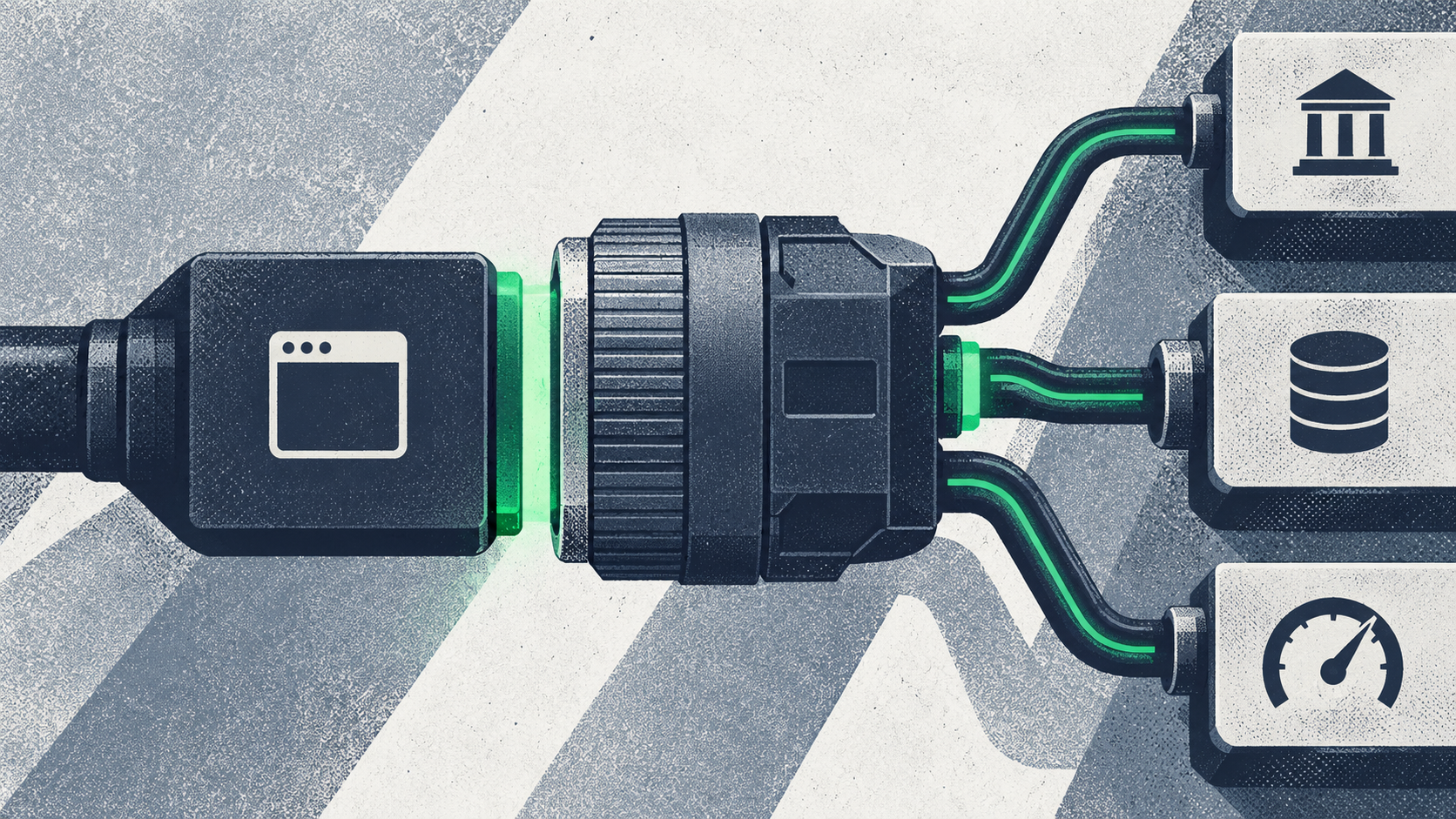
The platform gives lenders access to providers through APIs, embedded connection flows, document uploads, or existing integrations. This can reduce the need to build and maintain every vendor connection independently.
Normalize different formats
Two providers may describe the same concept with different schemas. A platform maps those responses into consistent fields so downstream rules do not need provider-specific logic for every source.
Enrich borrower profiles
Raw data can be turned into decision-ready attributes such as average monthly revenue, deposit concentration, negative balance frequency, credit utilization, or debt service indicators. These attributes help credit teams evaluate information consistently.
Route data into workflows
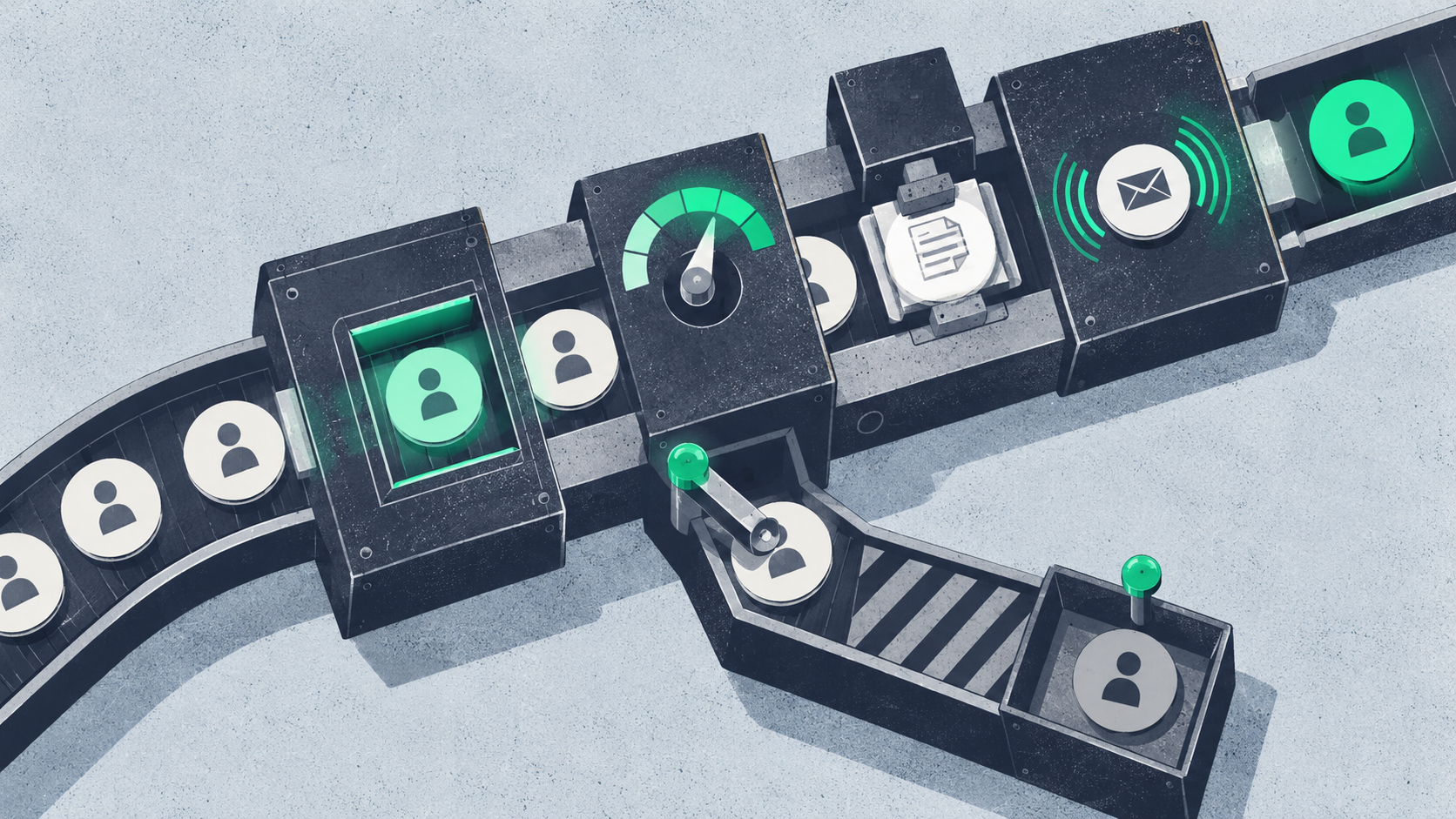
Aggregation becomes more valuable when the data can trigger an action. A result might advance an application, request another source, calculate a score, send a case to manual review, or route the borrower toward an appropriate product.
Data aggregation platform vs. a single-source API
An individual provider may be the right choice when a lender needs one specialized dataset and wants direct control over the integration. As requirements expand, however, separate integrations create separate schemas, contracts, credentials, monitoring processes, and points of failure.
What should lenders look for?
Relevant source coverage
A long provider list matters less than coverage aligned with the lender's products. A small business lender may prioritize commercial credit, bank data, KYB, tax data, accounting platforms, and document extraction. A consumer lender may require consumer bureau, income, identity, and fraud sources.
Data quality and lineage
Teams should be able to understand where a field came from, when it was retrieved, and how it was transformed. Clear lineage supports troubleshooting, model governance, and decision explanations.
Orchestration controls
Pulling every source for every applicant can be expensive and unnecessary. Look for the ability to sequence checks, add conditional branches, retry failed connections, and request more information only when needed.
Security and compliance support
The platform should support secure access, permissions, auditability, and appropriate handling of sensitive information. Compliance obligations still belong to the lender, so teams should evaluate how the technology supports their policies rather than treating the platform as a substitute for legal review.
Decisioning compatibility
Normalized data should be available to the lender's rules, scorecards, models, analytics, and systems of record. A platform that only displays information can leave significant manual work in place.
Common use cases
Lenders use aggregation platforms to:
- Prequalify applicants using initial eligibility data
- Analyze bank transactions and cash flow
- Combine consumer and commercial credit signals
- Verify application details across independent sources
- Extract structured fields from financial documents
- Calculate reusable underwriting attributes
- Trigger automated or staged credit decisions
- Route exceptions to specialized review queues
Brands and vertical SaaS platforms can use the same infrastructure to embed financing without building a complete lending data stack internally.
How Lendflow approaches data aggregation
Lendflow combines data aggregation with orchestration and decisioning. Its Open Data capabilities bring traditional and alternative data into a unified response, while Lendflow Intelligence lets teams build attributes, configure scorecards, and determine when each source belongs in the underwriting sequence.
This distinction is important. A useful data platform should not merely collect information; it should help the lender turn that information into the next appropriate action. Because Lendflow also supports borrower intake, lender connectivity, documents, communications, and workflow automation, teams can use the same infrastructure across more of the application lifecycle.
Frequently asked questions
Is a data aggregation platform the same as open banking?
No. Open banking connectivity is one potential source. A broader platform can also include credit, accounting, identity, fraud, payroll, tax, and document data.
Does a data aggregation platform store data?
Architectures vary. Lenders should ask where information is processed or stored, how long it is retained, and what security and access controls apply.
Who uses lending data aggregation platforms?
Banks, alternative lenders, fintechs, brokers, and software platforms use them to reduce integration work and make underwriting information easier to use.