[.green-span]10 Best Credit Decisioning Tools for Lenders in 2026[.green-span]

Credit decisioning tools automate the evaluation of borrower risk—pulling data, applying scoring models, and rendering approve or decline decisions in seconds instead of days. This guide covers how these platforms work, what to look for when evaluating them, and the ten best options for lenders in 2026.
What Are Credit Decisioning Tools
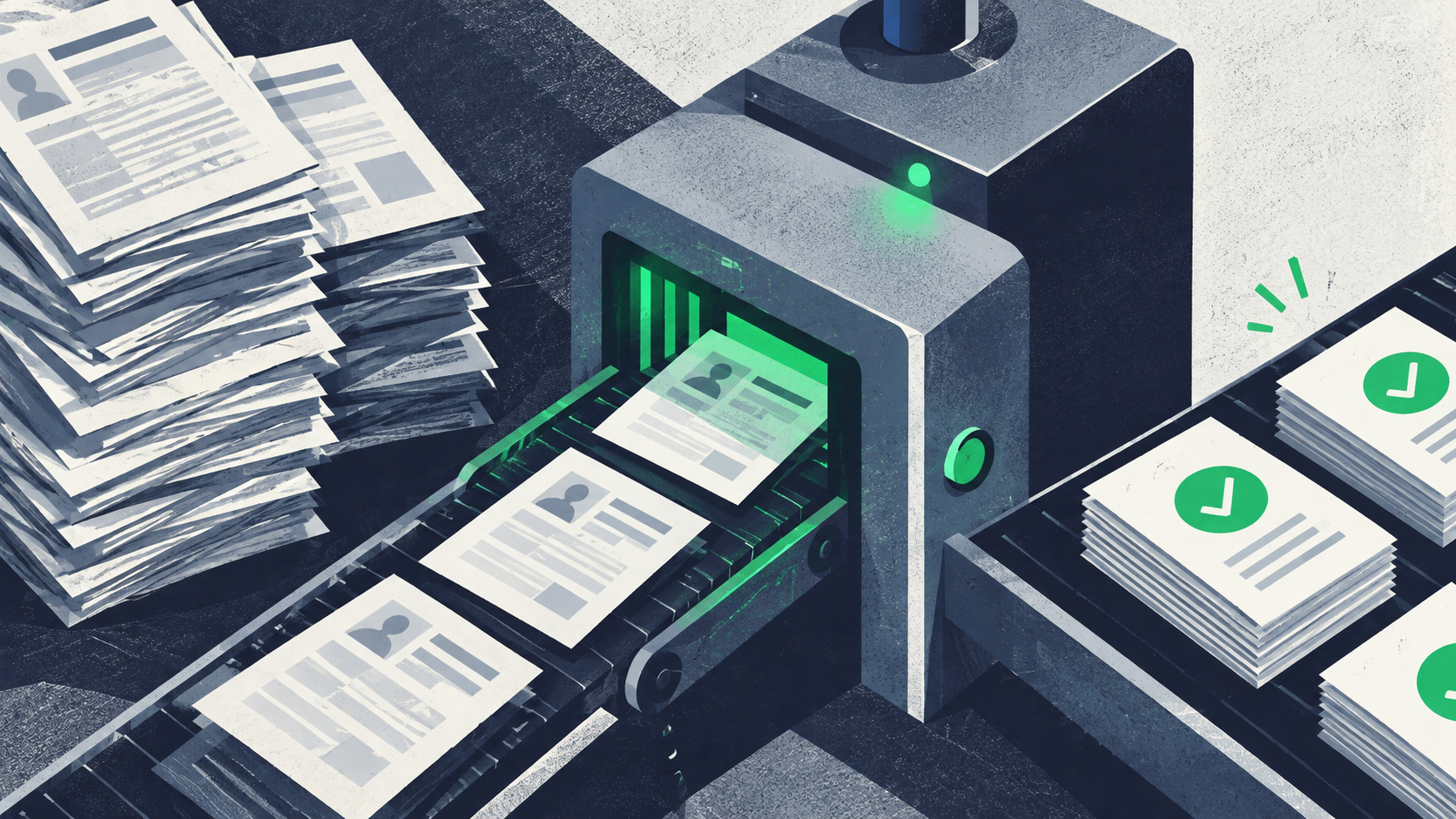
Credit decisioning tools are software platforms that evaluate borrower risk and determine whether to approve, decline, or flag a loan application for manual review. Instead of relying on spreadsheets and judgment calls, lenders use these systems to pull data from credit bureaus, bank accounts, and business records, then apply rules or algorithms to reach a decision in seconds rather than days.
The core function is straightforward. A borrower submits an application, the platform gathers relevant data, runs it through a scoring model, and outputs a decision. What varies is how sophisticated the data aggregation is, how flexible the rules engine is, and how well the system integrates with existing workflows.
Credit decisioning software shows up across SMB lending, consumer finance, and embedded lending programs where brands offer financing directly within their products. The common thread is a desire to move faster, reduce manual work, and make more consistent decisions at scale.
Here's what most credit decisioning tools handle:
- Data aggregation: Pulling credit reports, bank transactions, and business financials into one view
- Risk scoring: Applying configurable rules, scorecards, or machine learning models to each application
- Automated approvals: Rendering instant decisions for straightforward cases
- Exception routing: Flagging borderline applications for human review
How Credit Decisioning Software Works
Most loan decisioning software follows a similar three-stage workflow. Understanding this sequence helps clarify what separates a basic scoring tool from a full decisioning platform.
Document Collection and Data Extraction
The process begins with gathering borrower information. Modern platforms pull documents like bank statements, tax returns, and government IDs, then extract structured data using OCR and AI-powered tools. This step replaces manual data entry and catches errors that humans often miss.
Data Validation and Risk Scoring
Once data is extracted, the system cross-references sources to validate accuracy. Then it applies credit scoring logic, whether through traditional scorecards, custom risk models, or machine learning algorithms. Many platforms also integrate with credit bureaus and third-party data providers to fill gaps.
Workflow Automation and Decision Execution
Finally, the system routes each application based on your decision rules. Approvals move toward funding, declines trigger appropriate communications, and edge cases land in a review queue. The difference between a slow lender and a fast one often comes down to how well this stage is automated.
10 Best Credit Decisioning Tools for Lenders
This list covers credit decisioning platforms serving banks, fintechs, and embedded finance programs. Each tool has a different focus, so the right choice depends on your lending model, product mix, and technical resources.
Lendflow
Lendflow combines data orchestration, AI-powered decisioning, and workflow automation in one platform built for embedded lending and SMB finance. With $1.5B+ in offers made on the platform and pre-qualified offers driving 42% faster speed to funding, it's designed for teams that want to launch credit products using widgets, landing pages, and APIs without building infrastructure from scratch.
The platform supports term loans, MCAs, invoice factoring, equipment financing, SBA loans, and lines of credit. Embedded finance customers operate with 80% smaller teams while converting similar funding volumes.
Aloan
Aloan is an AI-powered commercial underwriting platform that turns the full borrower document set (multi-entity tax returns, K-1s, financial statements) into spreads, global cash flow, and a drafted credit memo, with every figure cited back to its source page so credit teams can verify the work. Community banks and credit unions underwriting C&I, CRE, and SBA deals run it alongside their existing LOS, live in under a month with no migration, or as the system of record for a new commercial program.
Experian PowerCurve
PowerCurve is an enterprise-grade credit decision engine from one of the three major bureaus. Its primary advantage is direct access to Experian's consumer and commercial credit data, which simplifies integration for lenders already working within that ecosystem.
Zest AI
Zest AI builds explainable machine learning models designed to help lenders approve more applicants while reducing bias. Lenders focused on building defensible AI-powered decisioning with clear rationale for regulators often evaluate Zest alongside traditional scoring approaches.
FICO Decision Management Suite
FICO remains the standard in credit scoring, and its Decision Management Suite extends that expertise into full decisioning workflows. Large banks and financial institutions with existing FICO relationships typically find this a natural fit.
ACTICO Credit Decisioning Platform
ACTICO is a European-headquartered provider with strong compliance and rules-engine capabilities. Lenders operating in heavily regulated markets value its audit trail and governance features.
GDS Link
GDS Link offers a flexible credit decision platform serving both alternative lenders and traditional banks. Its customizable scorecards and integrated fraud detection appeal to lenders with unique risk models.
Heron Data
Heron Data focuses on SMB lenders who rely on cash flow-based underwriting rather than traditional credit scores. Its bank statement analysis is purpose-built for small business lending where credit history alone doesn't tell the full story.
Provenir
Provenir is a cloud-native credit decisioning solution emphasizing real-time data integration and global reach. Fintechs operating across multiple markets often choose Provenir for its flexibility and speed.
nCino
nCino combines loan origination with credit decisioning in a single platform, making it popular among community banks and credit unions. If you're looking for an integrated banking solution rather than a standalone decisioning tool, nCino fits that profile.
Key Benefits of Loan Decisioning Software
The operational gains from credit decisioning software tend to show up in a few predictable areas. Here's what lenders typically experience after implementation.
Faster Decisions With Instant Decisioning
Instant credit decisioning compresses time-to-funding from days to minutesInstant credit decisioning compresses time-to-funding from days to minutes — banks using AI underwriting report 50–75% reductions in time-to-decision for commercial loans. Borrowers get answers quickly, and lenders close deals before competitors respond. Speed matters because borrowers often apply to multiple lenders simultaneously.
Improved Risk Assessment and Lower Defaults
AI-powered credit decisioning engines analyze more data points than manual review allows. The result is better risk segmentation, which means approving good borrowers who might have been declined while catching risks that might have slipped through.
Reduced Manual Workload and Operational Costs
Automation eliminates repetitive tasks like data entry, document chasing, and status updates like data entry, document chasing, and status updates — driving up to a 42% reduction in underwriting costs. Teams can handle higher volume without proportional headcount growth. Lendflow's embedded finance customers, for example, operate with 80% smaller teams while converting similar funding volumes.
Stronger Compliance and Audit Trails
Credit decisioning platforms maintain logs of every decision, every data point, and every rule applied. When regulators ask questions, the documentation is already there.
Higher Approval Rates and Better Borrower Experience
Platforms that incorporate richer data beyond traditional credit scores can approve more applicants. Borrowers with thin credit files but strong cash flow or business performance become viable candidates.
What to Look for in a Credit Decision Platform
When comparing credit decisioning platforms, a few criteria help separate tools that will scale with your business from those that will create friction down the road.
Scalability for High-Volume Lending
Volume spikes happen during seasonal demand, marketing campaigns, and economic shifts. Your credit decision system's infrastructure determines whether those spikes become opportunities or bottlenecks.
Integration With CRM and Banking Systems
The best platforms offer pre-built connectors and robust APIs. Integrating data aggregation with credit decisioning through a single integration point eliminates the complexity of managing multiple vendor relationships and reduces implementation time.
Support for Multiple Financing Products
Lenders offering diverse products like term loans, lines of credit, factoring, and equipment financing benefit from a flexible platform that adapts to different risk models and workflows without requiring separate systems for each product.
Explainable AI and Transparent Scoring
Regulators increasingly expect lenders to explain automated decisions. Platforms with clear, auditable rationale protect against compliance risk and help borrowers understand outcomes when decisions don't go their way.
How to Integrate Data Aggregation With Credit Decisioning
Modern credit decisioning solutions work best when connected to real-time data sources. Data orchestration, which means pulling bank transactions, credit bureau data, and business verification into one pipeline, is what separates basic scoring tools from full decisioning platforms.
Key integration components include:
Platforms like Lendflow connect these data sources through a single integration point, which eliminates the need to manage multiple vendor relationships and reduces implementation time from months to weeks.
Scale Smarter With AI-Powered Credit Decisioning
The right credit decisioning software enables teams to handle more volume, reduce risk, and deliver faster funding without proportional headcount growth. When evaluating platforms, the key question is whether the solution combines data aggregation, intelligent decisioning, and workflow automation in one cohesive system or requires you to stitch together multiple tools.
Book a demo with Lendflow to see how embedded decisioning and automation can accelerate your lending operations.
FAQs About Credit Decision Tools
What are the 5 Cs of the credit decision?
The 5 Cs are Character, Capacity, Capital, Collateral, and Conditions. These factors help lenders assess borrower creditworthiness and repayment likelihood. Modern credit decisioning tools often incorporate dozens of additional data points beyond this traditional framework, including cash flow patterns, industry risk, and real-time business performance.
What tools do credit analysts use?
Credit analysts typically use credit decisioning software, spreadsheet models, credit bureau reports, bank statement analyzers, and loan origination systems. AI-powered platforms increasingly handle routine analysis automatically, which allows analysts to focus on complex cases that require human judgment.
How does automated credit scoring improve lending outcomes?
Automated credit scoring applies consistent criteria across every application, which reduces human error and unconscious bias. It also enables faster decisions, improving borrower experience and competitive positioning in markets where speed matters.
What is the difference between a credit decisioning engine and a loan origination system?
A credit decisioning engine focuses specifically on evaluating risk and rendering approve or decline decisions. A loan origination system manages the broader workflow from application intake through funding. Many modern platforms combine both functions, though some lenders prefer specialized tools for each.
How long does it typically take to implement credit decisioning software?
Implementation timelines vary by complexity. Lightweight widget-based tools can launch in under two weeks, while full API integrations typically take 30 to 45 days. Enterprise deployments with custom model configuration may require two to four months depending on the scope.