[.green-span]Lendflow's AI Agents for Intelligent Loan Servicing[.green-span]

This guide covers how AI agents work across origination, servicing, and collections, the specialized agent types available for SMB lending, and what measurable results lenders are seeing from implementation.
What Are AI Agents in Loan Servicing
AI agents in loan servicing are autonomous, goal-driven digital assistants that use natural language processing and machine learning to manage the entire post-origination lifecycle. They handle 24/7 customer support, payment processing, delinquency management, and document verification. Unlike basic chatbots or simple automation scripts, AI agents integrate directly with loan management systems to deliver personalized, compliant, real-time service via chat, email, and voice.
The key difference between AI agents and traditional automation comes down to adaptability. A rules-based system stops when it encounters an exception. An AI agent figures out what to do next. It can reason through unstructured data, handle unexpected situations, and orchestrate multi-step workflows without waiting for someone to intervene.
Think of it this way: traditional automation follows a script. AI agents understand the goal and find the path to get there, even when the path changes.
Why Traditional Loan Servicing Automation Falls Short
Legacy servicing systems were built for predictable, repeatable processes. They work fine when every loan looks the same and every borrower follows the expected pattern. The moment something deviates from the template, the system breaks down and a human has to step in.
The bigger problem is fragmentation. When your LOS lives in one place, your CRM in another, and your document storage somewhere else entirely, staff spend hours reconciling information instead of helping borrowers. Data silos create manual work, and manual work creates bottlenecks.
Common pain points include:
- Disconnected systems: Information scattered across platforms forces manual reconciliation.
- Static workflows: Pre-defined rules can't adapt to borrower-specific situations.
- High operational overhead: Staff handle repetitive tasks instead of complex decisions that actually require judgment.
How AI Agents Improve Loan Origination
AI agents work across the full lending lifecycle, not just servicing. The efficiency gains start well before a loan ever funds.
Automated Document Processing
AI agents extract structured data from bank statements, tax returns, and IDs. What used to take an underwriter 30 minutes per file now happens in seconds. The agent reads the document, pulls the relevant fields, and populates your system automatically. Manual data entry disappears, and so do the errors that come with it.
Credit Decisioning Automation
For straightforward applications, AI agents apply underwriting rules, pull credit signals, and generate pre-qualified offers without human review. Complex deals still go to your team, but routine ones move through the pipeline on their own.
Lendflow's platform supports live credit signals and intelligent workflows that adapt as data flows in. Pre-qualified offers hosted on Lendflow drive an average of 42% faster speed to funding compared to traditional processes.
Borrower Communication Management
AI agents handle status updates, document request reminders, and follow-ups via email, SMS, or voice. Your team stops chasing borrowers for missing paperwork. The agent does it automatically, freeing staff for conversations that actually require a human touch.
AI Agent Capabilities in Loan Servicing
After a loan funds, AI agents transition to post-funding tasks. This is where ongoing account management, payments, and borrower support happen.
Real-Time Portfolio Monitoring
AI agents track payment behavior, flag early warning signs, and surface accounts needing attention before they become delinquent, flag early warning signs, and surface accounts needing attention before they become delinquent. 72% of small businesses rank cash flow uncertainty among their top concerns, making early detection critical. Instead of reviewing reports weekly, your team sees at-risk accounts the moment patterns shift. Early intervention becomes possible because the data arrives in time to act on it.
Payment Processing and Reminders
Automated payment confirmations, upcoming due date alerts, and retry logic for failed transactions all run without manual intervention. Borrowers stay informed, and your team doesn't spend time on routine payment administration.
Account Modifications and Updates
Routine requests like address changes, payment method updates, and payoff quotes get handled without agent involvement. The borrower asks, the AI agent responds, and the system updates. Done.
Borrower Self-Service Tools
Chatbots and portals powered by AI let borrowers check balances, upload documents, and resolve common questions instantly. Inbound call volume drops, and borrowers get the immediate answers they expect.
How AI Agents Accelerate Loan Collections
Collections is where AI agents often deliver the most dramatic results. The shift from reactive to proactive outreach changes the economics of delinquency management entirely.
Dynamic Account Prioritization
AI agents score and rank accounts by likelihood to pay, directing human collectors to the highest-value opportunities. Your team stops working accounts alphabetically and starts working them strategically. Time goes where it matters most.
Personalized Outreach Strategies
AI agents deliver tailored messaging based on borrower history, preferred communication channels, and past responsiveness. A borrower who always responds to text messages gets a text. One who ignores emails but answers calls gets a call. The outreach matches the borrower, not a one-size-fits-all template.
Self-Service Payment Channels
AI-powered voice and chat agents can negotiate payment plans and process payments without human involvement. Borrowers who want to resolve their account at 10 PM on a Saturday can do it. No waiting for business hours, no phone trees, no friction.
Types of AI Agents for SMB Lending
Specialized agents handle distinct tasks within the lending workflow. Each one focuses on a specific function:
Lendflow Automate orchestrates specialized agents across the lending lifecycle, triggering them based on workflow events and returning standardized outputs that feed into existing systems.
Mortgage Servicing AI vs SMB Lending Automation
While both use AI, the applications differ significantly. Mortgage servicing AI focuses on high-volume consumer loans with standardized processes. SMB lending automation handles diverse products like term loans, MCAs, factoring, and lines of credit, each with variable documentation and custom workflows.
If you're serving small and medium businesses, you'll want AI agents built for the variability of commercial lending rather than consumer mortgage tools repurposed for a different use case.
Measurable Results from AI Loan Servicing Agents
The business case for AI agents comes down to numbers. Here's what the data shows:
Operational Cost Reduction
Automation eliminates manual document handling, data entry, and routine communicationsAutomation eliminates manual document handling, data entry, and routine communications. McKinsey projects AI will drive up to 20% net cost reductions for banks. Teams handle more volume without adding staff. Lendflow customers operate with 80% smaller teams while converting similar funding volumes.
Faster Time to Decision
Real-time data flows and automated workflows compress approval timelines from days to minutes. When information arrives instantly and decisions happen automatically, the entire pipeline accelerates.
Improved Borrower Experience
Instant responses, transparent status updates, and self-service options reduce friction. Borrowers focus less on paperwork and more on building their businesses.
Volume Growth Without Headcount Expansion
AI agents allow operations to scale during peak periods without proportional hiring. When application volume spikes, the agents handle the surge. Your team size stays stable while throughput grows.
How to Implement AI Agents for Loan Servicing
Teams evaluating AI agent platforms often worry about implementation complexity. Modern platforms are designed for speed to value, not multi-year integration projects.
API-First Architecture
Modern AI agents connect via APIs, plugging into existing loan management systems without complex custom integrations. You're not rebuilding your tech stack. You're adding a layer on top of it.API-first lending solutions are projected to capture 40% of the market by 2026. You're not rebuilding your tech stack. You're adding a layer on top of it.
Connecting to Existing Loan Systems
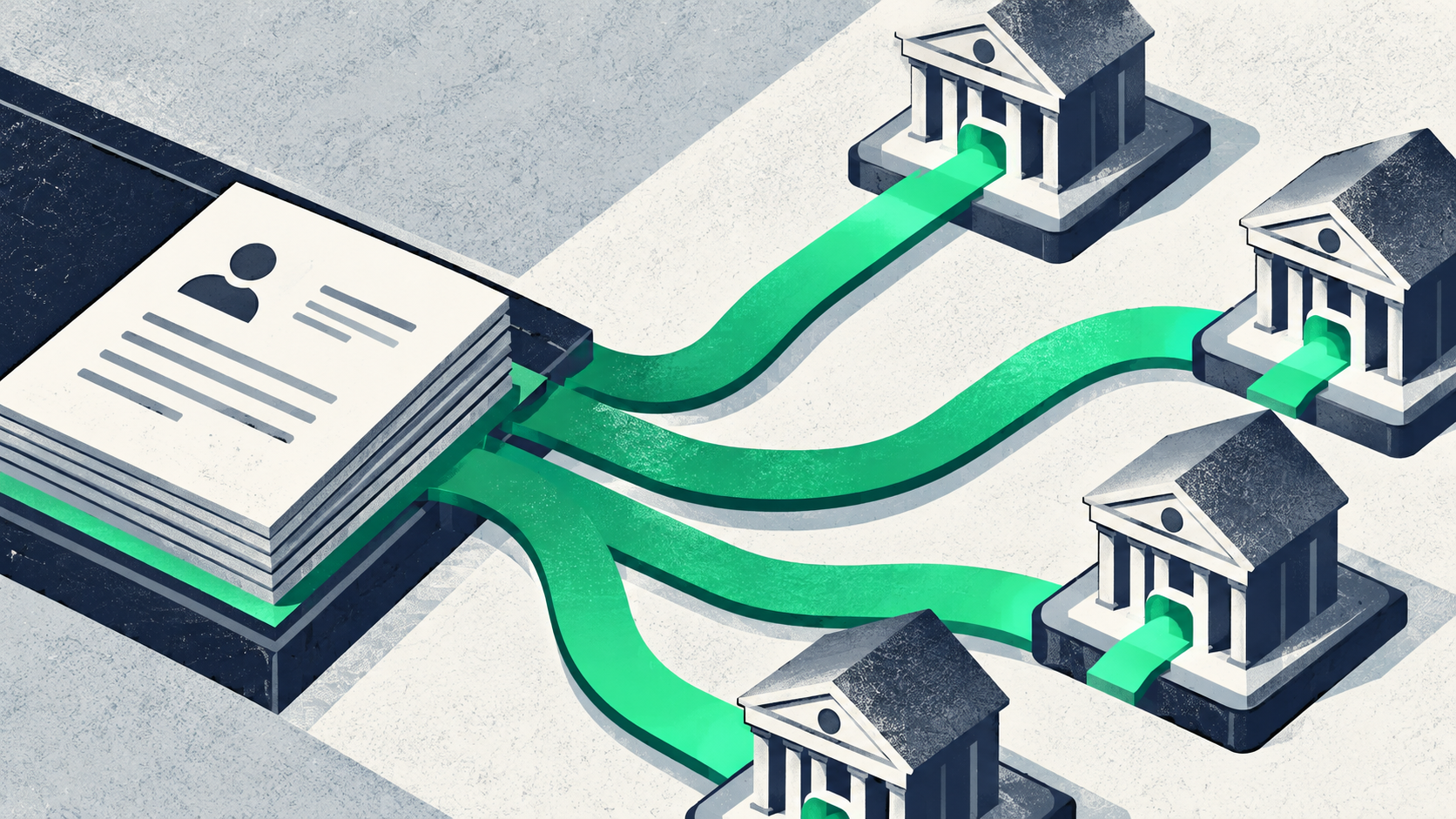
Ready-made connectors for CRMs, core banking platforms, and servicing systems reduce implementation complexity. Lendflow Connect integrates with 75+ specialty and bank lenders through a single endpoint.
From Setup to Results in Days
Modular, pre-built agents deploy faster than custom builds. Lendflow's widgets launch in under two weeks, and full API integrations typically take 30–45 days. Results arrive in weeks, not quarters.
Ready to see how AI agents fit your workflow? Book a demo with Lendflow to explore modular automation for loan servicing.
Compliance and Human Oversight for AI Loan Servicing
Trust and regulatory concerns are legitimate. Here's how modern AI agent platforms address them:
Regulatory Standards and Audit Trails
AI agents log every decision and action, creating a clear record for compliance reporting and examiner review. When regulators ask how a decision was made, the documentation exists.
Human Review and Quality Control
AI agents handle routine tasks but escalate exceptions to human reviewers. Humans retain final authority over complex decisions, and quality is continuously monitored.
Data Security and Privacy Protections
SOC 2 compliance, encryption, and strict access controls protect sensitive borrower data. Lendflow is SOC 2 Type II compliant, with configurable consent flows and data handling to match regulatory requirements.
Scale Loan Servicing Operations with Intelligent Automation
AI agents are infrastructure for growth, not just a tool for efficiency. They let you handle more volume, serve borrowers faster, and keep teams lean as your portfolio expands.
In the last 12 months, $1.5B+ in offers were made on Lendflow's platform. Teams ready to automate loan servicing can book a demo with Lendflow to see how modular AI agents fit their workflows.
FAQs about AI Agents for Loan Servicing
Can AI loan servicing agents handle multiple loan product types simultaneously?
Yes. Modern AI agent platforms support diverse products including term loans, lines of credit, MCAs, and invoice factoring within a single workflow, routing each application through product-specific rules.
Do AI agents replace human loan servicers entirely?
No. AI agents handle routine, repetitive tasks while humans focus on complex exceptions, borrower relationships, and strategic decisions that require judgment.
What is the difference between AI agents and RPA for loan servicing?
RPA follows rigid, pre-defined scripts for specific tasks. AI agents reason through unstructured data, adapt to exceptions, and orchestrate multi-step workflows autonomously.
How do AI loan servicing agents adapt to lender-specific underwriting rules?
AI agents are configured with lender-defined decision models, thresholds, and workflows. Each organization applies their own credit policies without custom development.