[.green-span]What Are Embedded Lending APIs? A Guide for Platform Builders[.green-span]

What Are Embedded Lending APIs? A Guide for Platform Builders
Embedded lending APIs are application programming interfaces that let software platforms integrate lending capabilities directly into their products. Instead of sending a customer to a separate lender website, APIs can connect the platform to application flows, financial data, underwriting logic, lender networks, offers, document collection, and other parts of the lending process.
For vertical SaaS companies, fintechs, marketplaces, and other platforms, embedded lending APIs provide a way to add financing without building every component of a lending stack from scratch. The result can be a more connected borrower experience and a more flexible infrastructure layer behind it.
How do embedded lending APIs work?
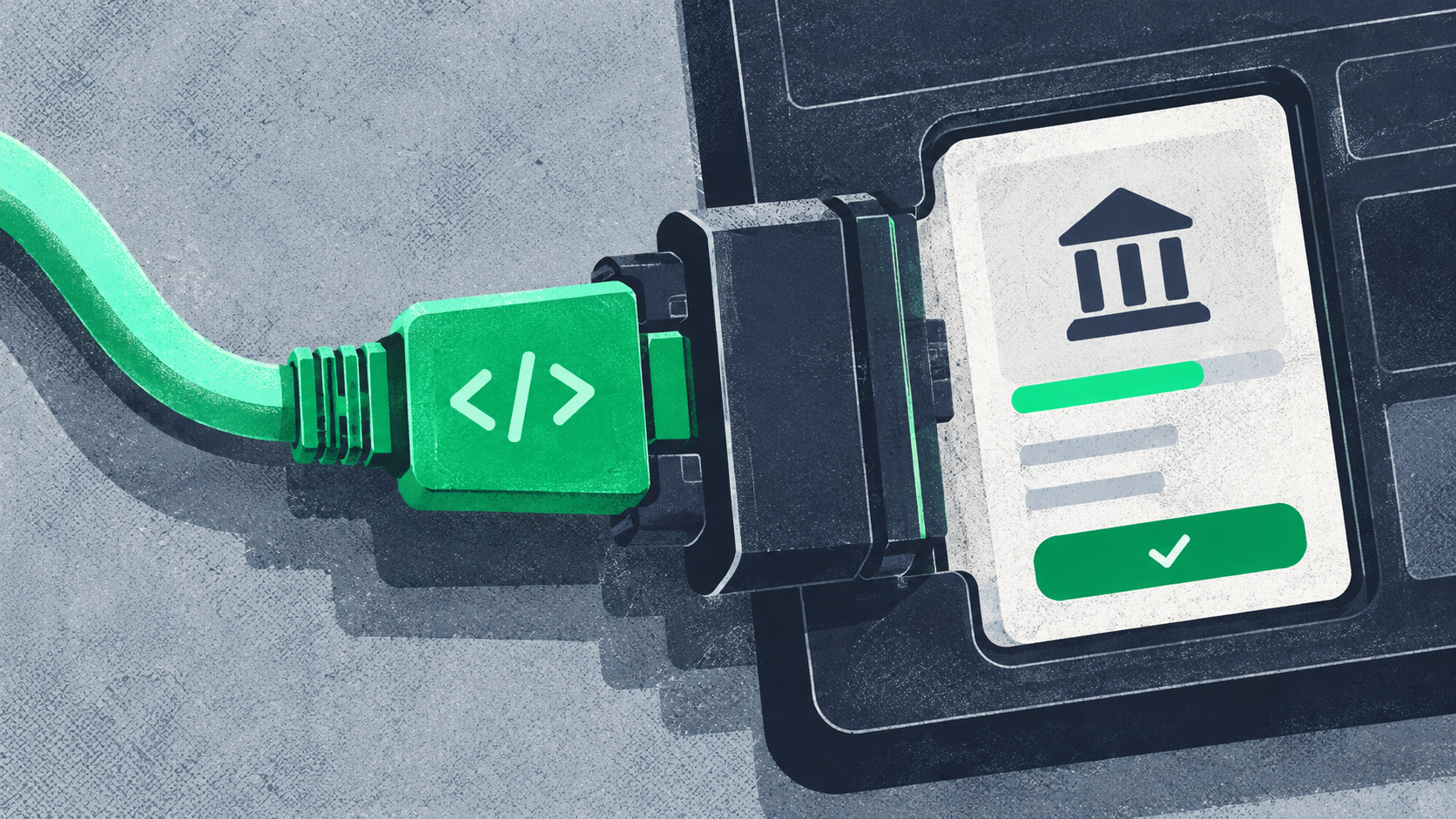
An embedded lending API acts as a bridge between the platform where a borrower starts and the systems required to evaluate and fulfill a financing request. A platform can collect application information in its own interface, send that information through an API, and receive structured responses that determine what happens next.
Depending on the implementation, APIs may support identity and business data collection, credit and cash-flow data, underwriting, lender matching, offer presentation, document workflows, status updates, and funding-related actions. Webhooks can also send events back to the platform when an application changes status, allowing the borrower experience to stay synchronized.
The important distinction is that an API is not necessarily a lender. It is infrastructure that lets multiple lending functions communicate. With a platform such as Lendflow, those APIs can sit within a broader embedded credit infrastructure that combines data, decisioning, multi-lender orchestration, and automation.
What can an embedded lending API connect?
The exact capabilities vary by provider, but a modern embedded lending integration may cover several layers of the lending lifecycle.
- Application intake and borrower data collection
- Banking, credit bureau, business, and other underwriting data
- Eligibility rules, scorecards, and automated decisioning
- Routing applications to one or multiple lending partners
- Returning pre-qualified or approved offers
- Document collection and validation
- Borrower communications and application status updates
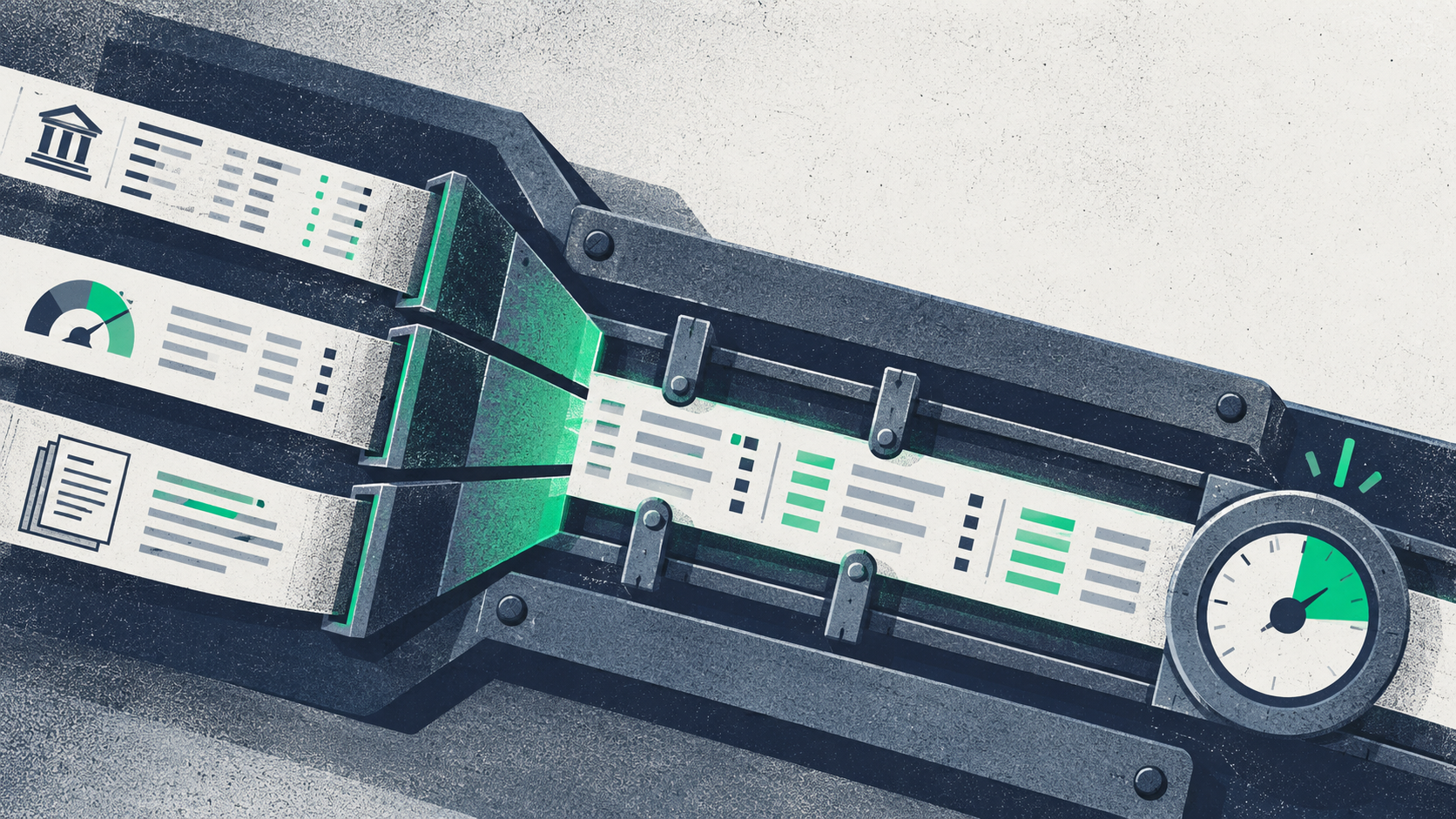
For platform builders, this can reduce the number of point integrations that need to be maintained. Rather than separately connecting data vendors, decision engines, lenders, and communication tools, a unified infrastructure layer can coordinate more of the workflow through a consistent API.
Embedded lending APIs vs. direct lender integrations
A direct lender integration connects a platform to one lender. That approach can work when the platform has a narrow credit program, but complexity increases as additional lenders and products are added.
| Factor | Direct lender integrations | Embedded lending API platform |
|---|---|---|
| Connections | Separate integration for each lender | One infrastructure layer can support multiple partners |
| Data structure | Varies by lender | Can normalize data across workflows |
| Routing | Platform builds routing logic | Orchestration can be built into the platform |
| Maintenance | Platform maintains each connection | Provider can maintain lender and data integrations |
| Expansion | New products may require new builds | Additional products can be easier to layer into existing flows |
This difference matters for platforms that want to support multiple credit products or lenders. A reusable API layer can make the lending program easier to expand without rebuilding the customer experience every time the lender mix changes.
Why platforms use embedded lending APIs
The main advantage is control without having to own every infrastructure component. Platforms can keep financing inside their product, customize the borrower journey, and use APIs to power the lending functions behind the scenes.
Embedded lending APIs can also improve scalability. As application volume grows, automated data collection, decisioning, routing, and communications can reduce manual handoffs. When a lender declines an application, orchestration logic can potentially route the deal to another eligible partner instead of ending the process immediately.
For lenders, APIs can create new distribution channels by allowing their products to appear within software and marketplaces where borrowers already operate. For software platforms, this creates an opportunity to make access to capital a native part of the customer experience.
What should you look for in an embedded lending API?
Start with the scope of the infrastructure. Some providers offer a single API for a specific function, while others support a larger portion of the lending lifecycle. Evaluate whether the provider can support the data sources, credit products, lender relationships, underwriting workflows, and borrower experience your program requires.
Teams should also consider API documentation, security, implementation support, webhook coverage, data normalization, configurability, and the effort required to add new lenders. If lending strategy may change over time, flexibility is especially important.
How Lendflow supports embedded lending
Lendflow provides embedded credit infrastructure for platforms, lenders, and fintechs that want to launch or scale lending programs. Lendflow Connect supports distribution, embeddable experiences, hosted flows, APIs, and multi-lender orchestration. Lendflow Intelligence brings together data orchestration and configurable decisioning, while Lendflow Automate adds AI-powered workflows for borrower communications, document processing, and operational tasks.
This approach lets teams use APIs as part of a broader lending stack rather than treating each lending function as a separate integration. Platforms can create a financing experience that fits their product while Lendflow coordinates the infrastructure required to move applications from intake through decisioning and lender routing.
Building lending into your platform
Embedded lending APIs make it possible to bring credit closer to the moment a customer needs it. The right architecture can connect borrower experiences, data, decisions, and lender access without forcing platform teams to build and maintain every piece themselves.
For companies evaluating embedded lending, the key question is not only whether an API is available. It is how much of the lending lifecycle that API can support as the program grows. Lendflow helps teams build that foundation with configurable infrastructure designed for embedded credit. To explore how Lendflow can fit into your lending strategy, book time with our team.